
Laminated Packaging Roll Film
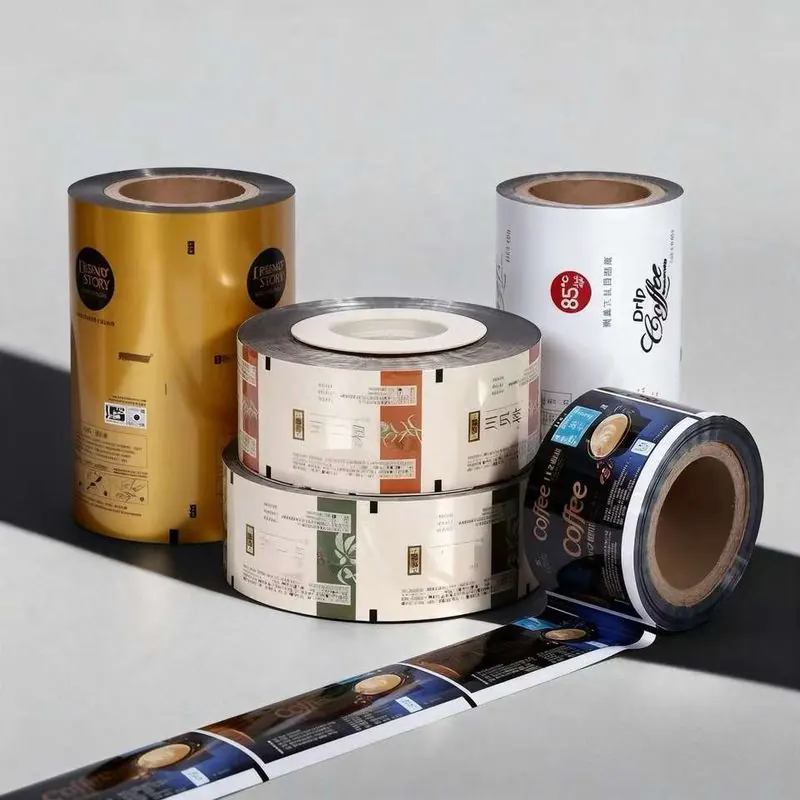
Customized multi-layer laminated film rolls engineered to your specifications. Combine barrier layers, widths, and print finishes to protect your product and present your brand — supplied as reels ready for VFFS lines or pouch converting.
Key Features
- Multi-layer lamination for tailored barrier performance
- Reel widths and core sizes matched to your filling equipment
- Matte, gloss, soft-touch, and metallic finish options
- Built to specification: oxygen, moisture, and light barriers

Key Takeaways
Roll Film at a Glance
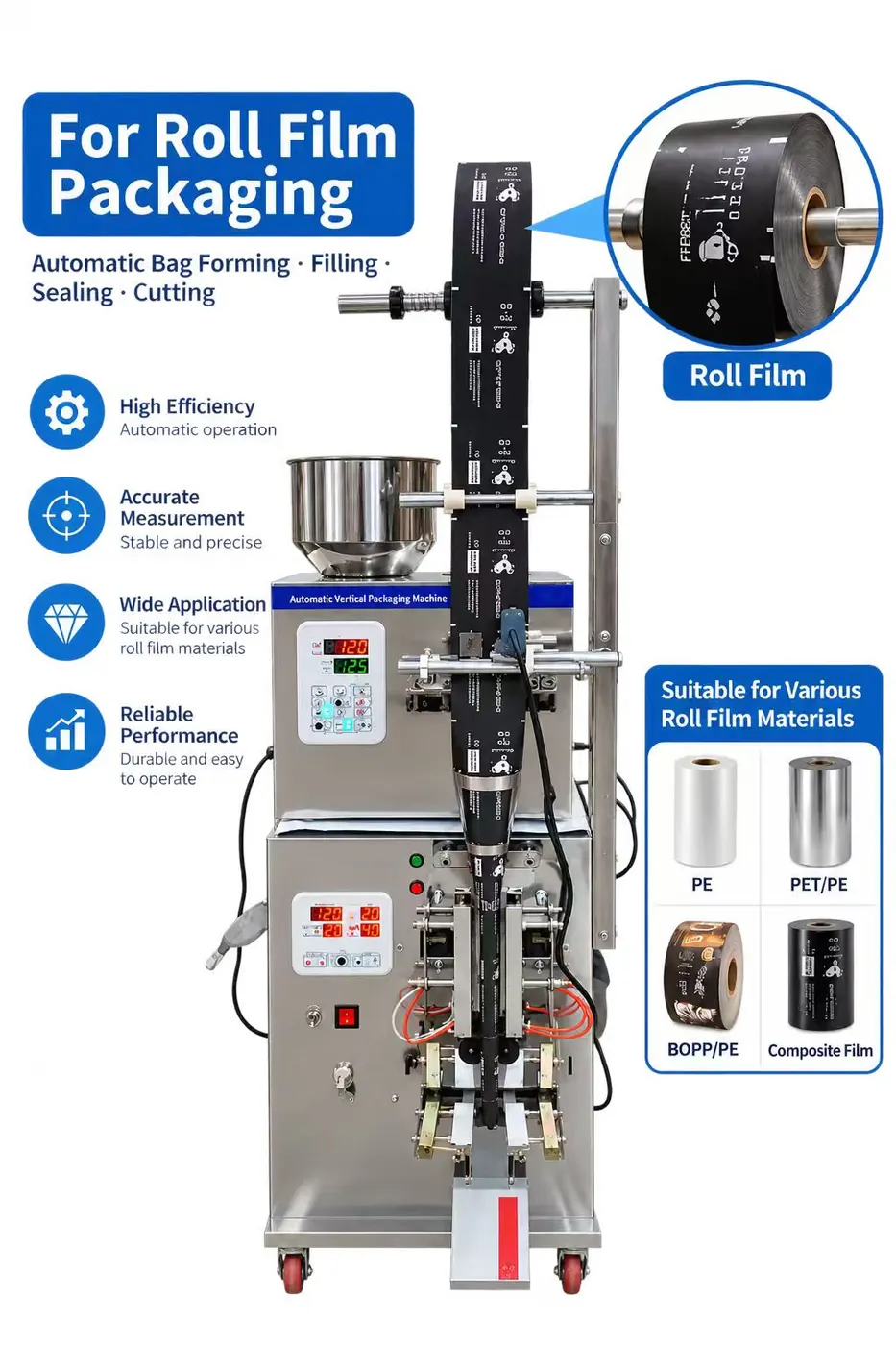
- Roll film skips the bag-making step: printed, laminated and wound to your filler’s specification, ready for VFFS or HFFS lines.
- Three machine facts define the reel: maximum outer diameter, core diameter and film width.
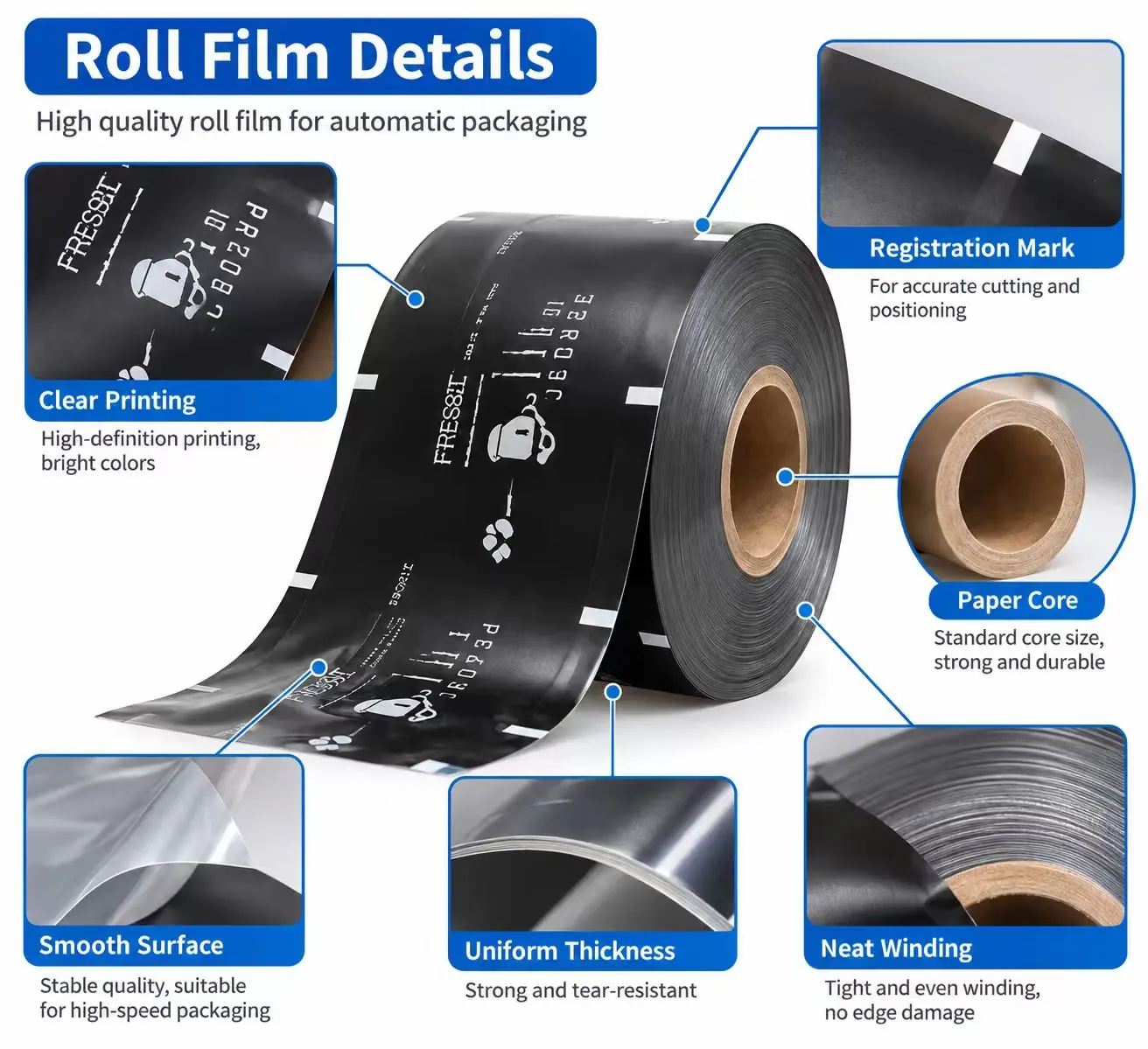
- Registration marks are positioned to your machine’s scanner; up to 10 printing colours.
- The same barrier laminates as our finished pouches — bag and film formats can share one structure and one look.
- MOQ is quoted per structure; sample reels are available for line testing.
Customization
Built to Your Specification
Material structures, formats, and finishes are tailored to your product, barrier requirements, and brand — produced in our own factory in Huizhou, China, on 10 production lines staffed by 100+ workers.
Material Structure
Multi-layer lamination matched to your barrier needs.
Reel Spec
Customized width, core, and reel size to fit your machines.
Printing
Rotogravure and flexographic, up to 10 colors.
Converting
Film ready for pouch converting — zippers, valves and spouts can be added in bag-making.
The Format
Why Brands Buy Film, Not Bags
High-volume packing lines are usually cheaper per pack when they fill from film: no bag-making step, less handling, and the filler forms and seals each pack at speed. That is why sauces, powders, beverages and confectionery at scale run on roll film.
The trade-off is specification discipline. A reel that is a few millimetres too wide, or a core that does not fit the unwind shaft, stops a line. That is why we ask for the machine specification before quoting — maximum reel outer diameter, core diameter, film width and the sealing system.
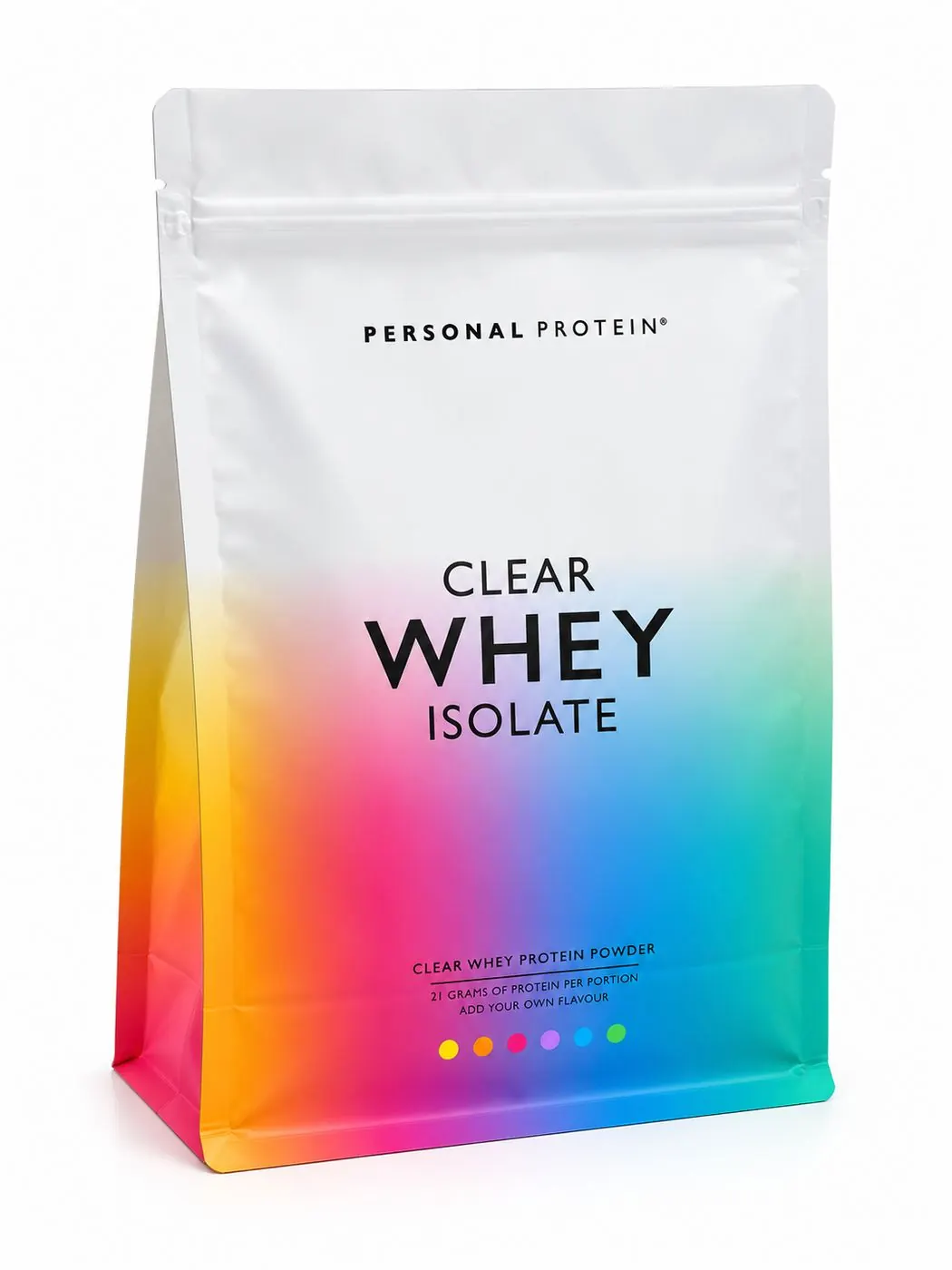
Film is also the format that pairs with pouches. Many brands fill high-volume SKUs from film while retailing premium SKUs in stand-up or flat-bottom pouches — with matched structures and artwork, both from the same factory.
Specification
What We Need From Your Line
| Parameter | Why it matters |
|---|---|
| Max reel outer diameter | Sets how much film winds onto one reel — larger diameters mean fewer changeovers |
| Core diameter | Must match your unwind shaft; 3-inch (76 mm) cores are common but not universal |
| Film width | Determines pack width and how the artwork nests across the web |
| Sealing system | Impulse, constant heat or ultrasonic — the sealant layer is chosen for the machine |
| Registration marks | Positioned and sized to your scanner so print registers correctly at speed |
| Structure | Barrier level matched to the product — the same laminates as our finished pouches |
FAQ
Roll Film — Common Questions
What MOQ applies to roll film?
MOQ is quoted per structure and width. Because no bag-making step is involved, film runs are usually more efficient than finished pouches — tell us the product and machine and we will quote.
Can I get a sample reel to test on my line?
Yes. Sample reels let you check sealing windows, registration and machinability before committing to a production run.
Can you match an existing film supplier’s spec?
Send the current reel or its specification sheet. We match the structure, width and core, and will flag where a laminate change could improve shelf life or cost.
Is the film food-contact compliant?
All structures are produced under our BRCGS Issue 7 (Grade B) system, with FDA 21 CFR and EU 10/2011 food-contact test reports available.
Can film and pouches share one artwork?
Yes — and it is common. Both are printed on the same presses from the same structure family, so a brand can run film SKUs and pouch SKUs that look identical.
Quality
Lamination, Cure and Why Film Needs a Rest
Laminated film is a bonded assembly: two or more layers joined with adhesive, then cured so the bond reaches full strength. Cure time matters — film slit and converted too early can delaminate, tunnel or carry residual odour, and none of those problems show up on a spec sheet.
Our lines run the full sequence in-house: printing, lamination, curing, slitting and — for pouch orders — bag-making. Curing time is part of the production schedule, not an afterthought, which is why lead times include it rather than pretending it away.
The same discipline applies to incoming materials: films are checked against specification before they enter production, and the lab tests seal strength and barrier on site. When a quotation takes an extra day to prepare, the honest answer is that we are verifying the structure rather than guessing it.
Content last reviewed: September 2026