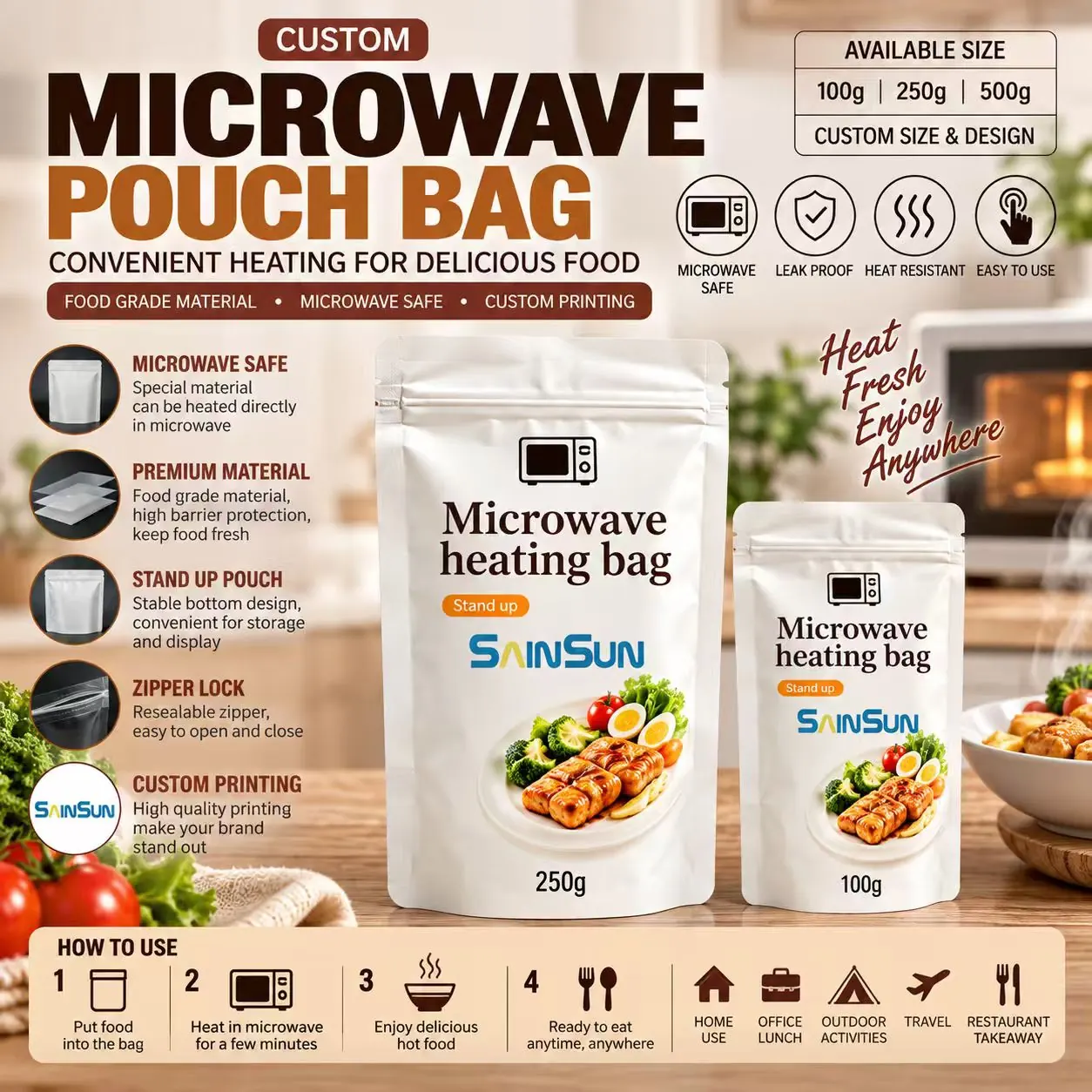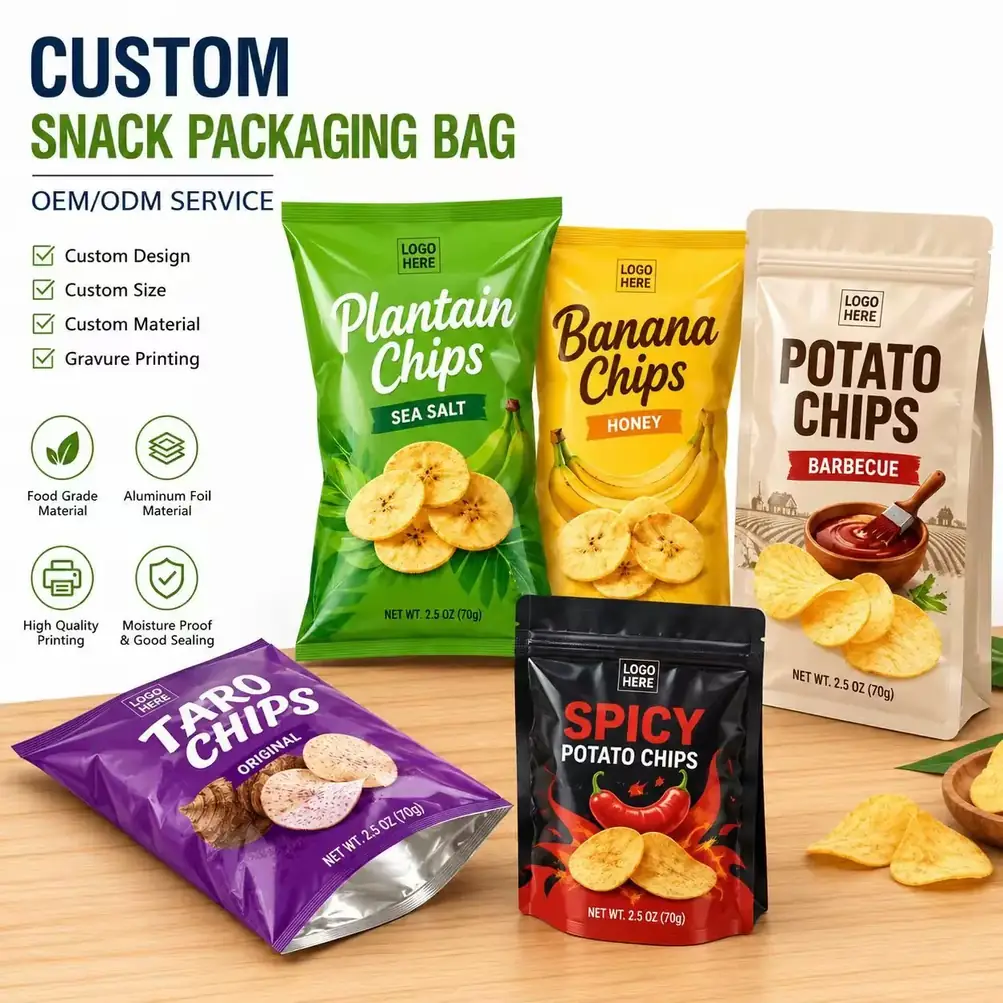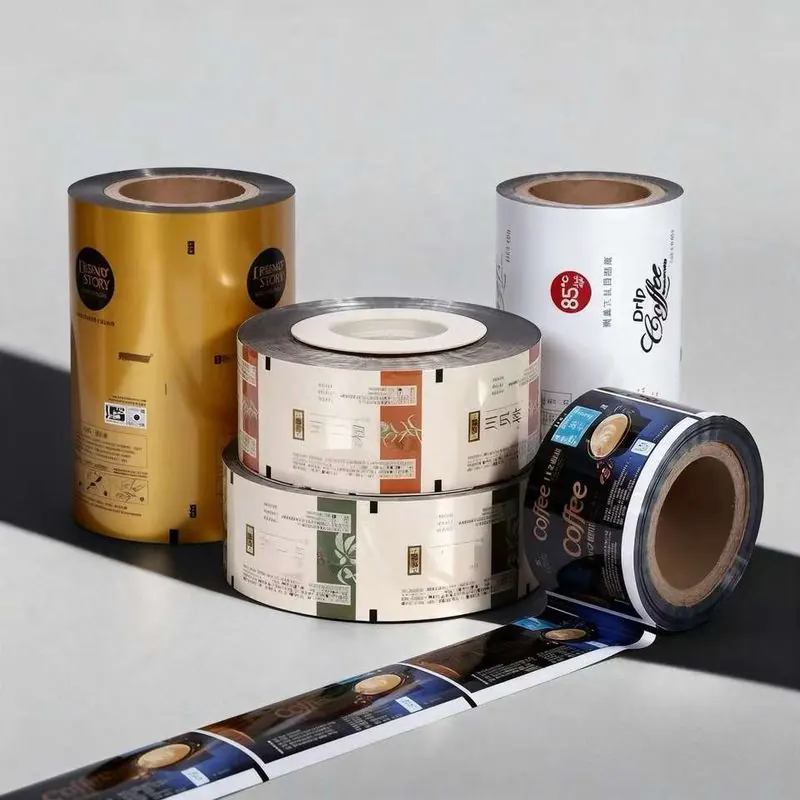
Retort / Cooking Bags
Retort and boilable cooking bags engineered to withstand high-temperature sterilization while keeping shelf-stable food safe and fresh. Suitable for ready meals, sauces, soups, and pet food that require thermal processing after filling. As a direct factory supplier we sell customized retort pouches in low MOQs with food-contact certification.
Key Features
- Heat-resistant multi-layer structures for retort sterilization
- Reliable seal integrity under pressure and temperature
- Customizable formats: flat, stand-up, and shaped pouches
- Compatible with hot-fill and retort processing lines
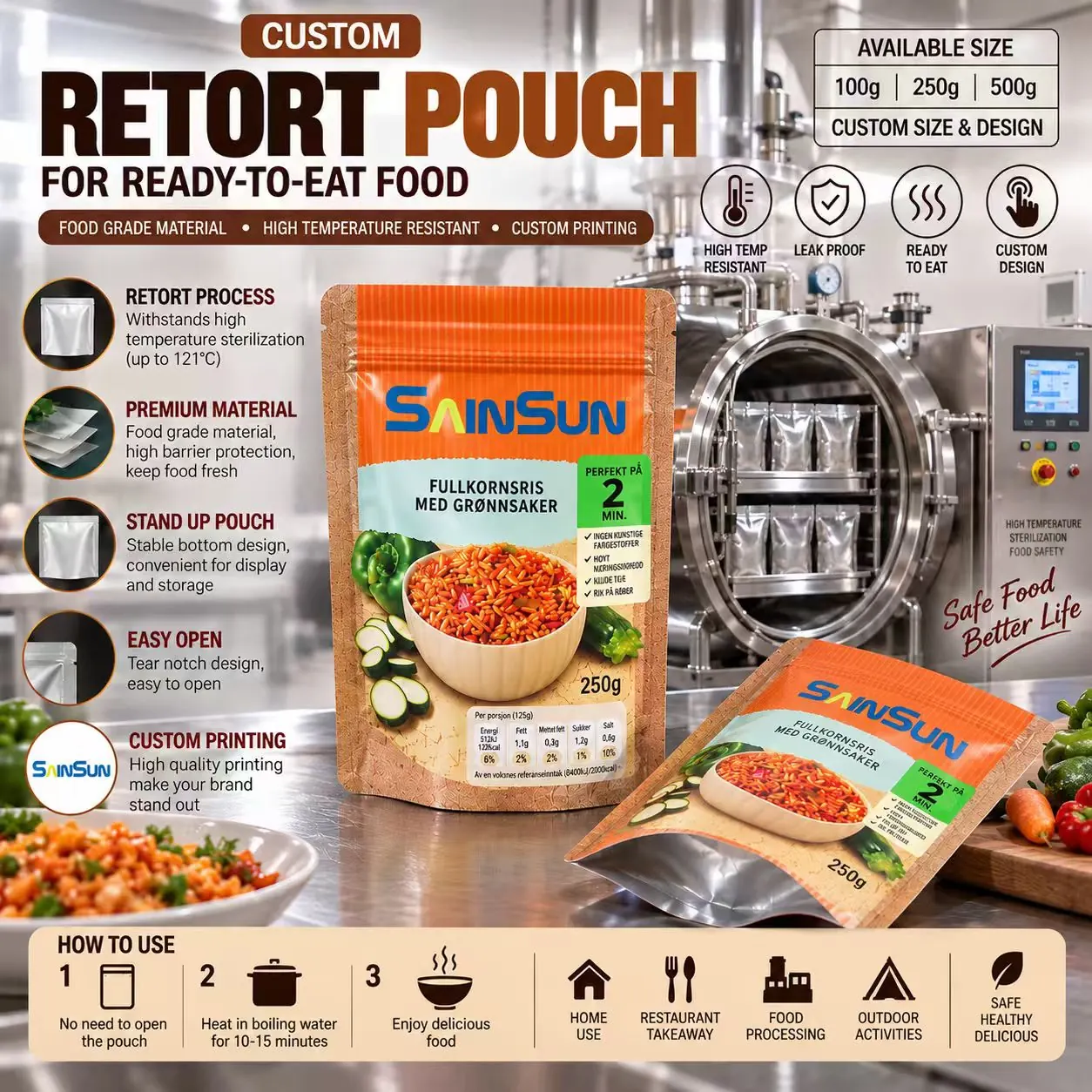
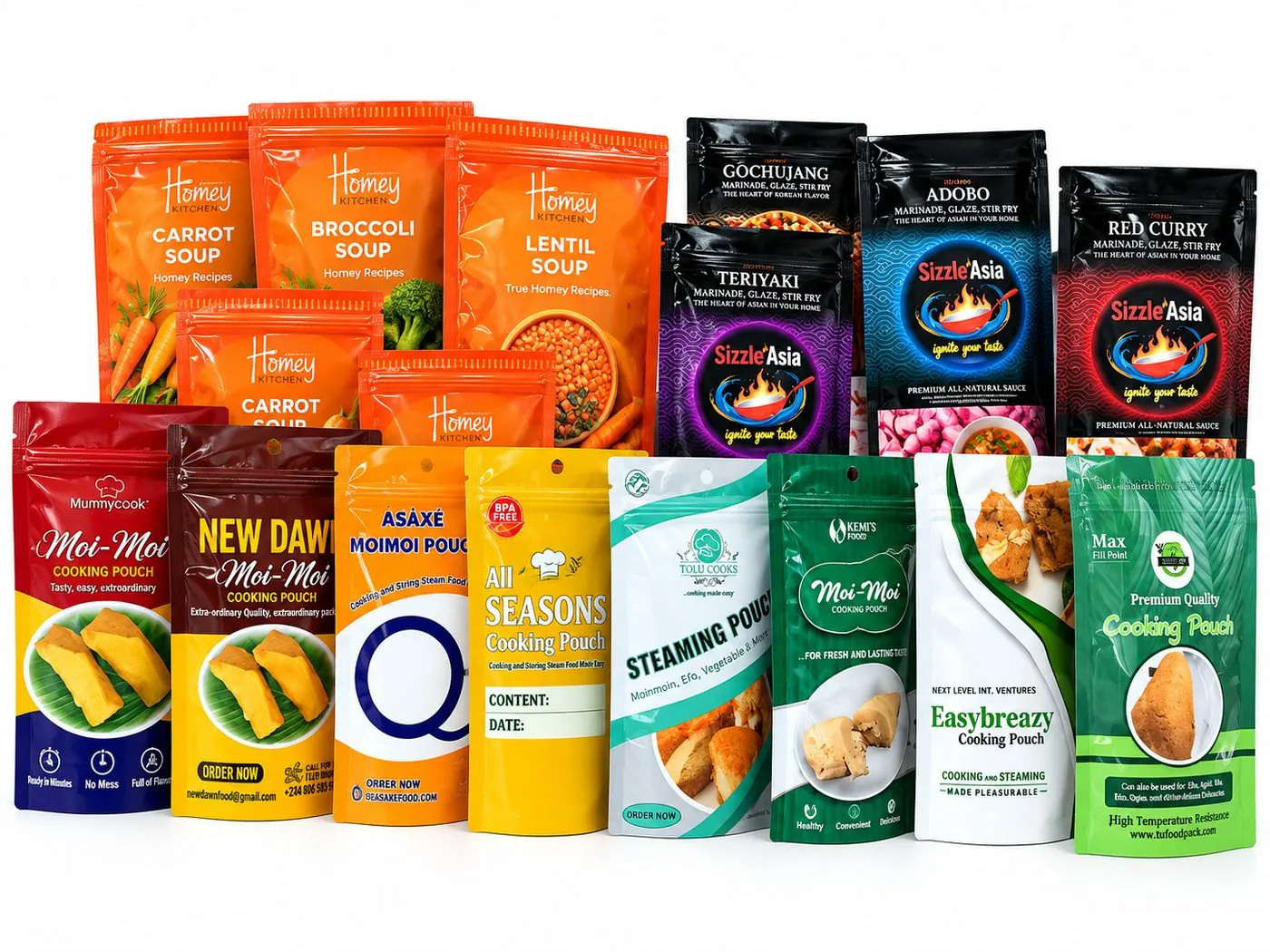
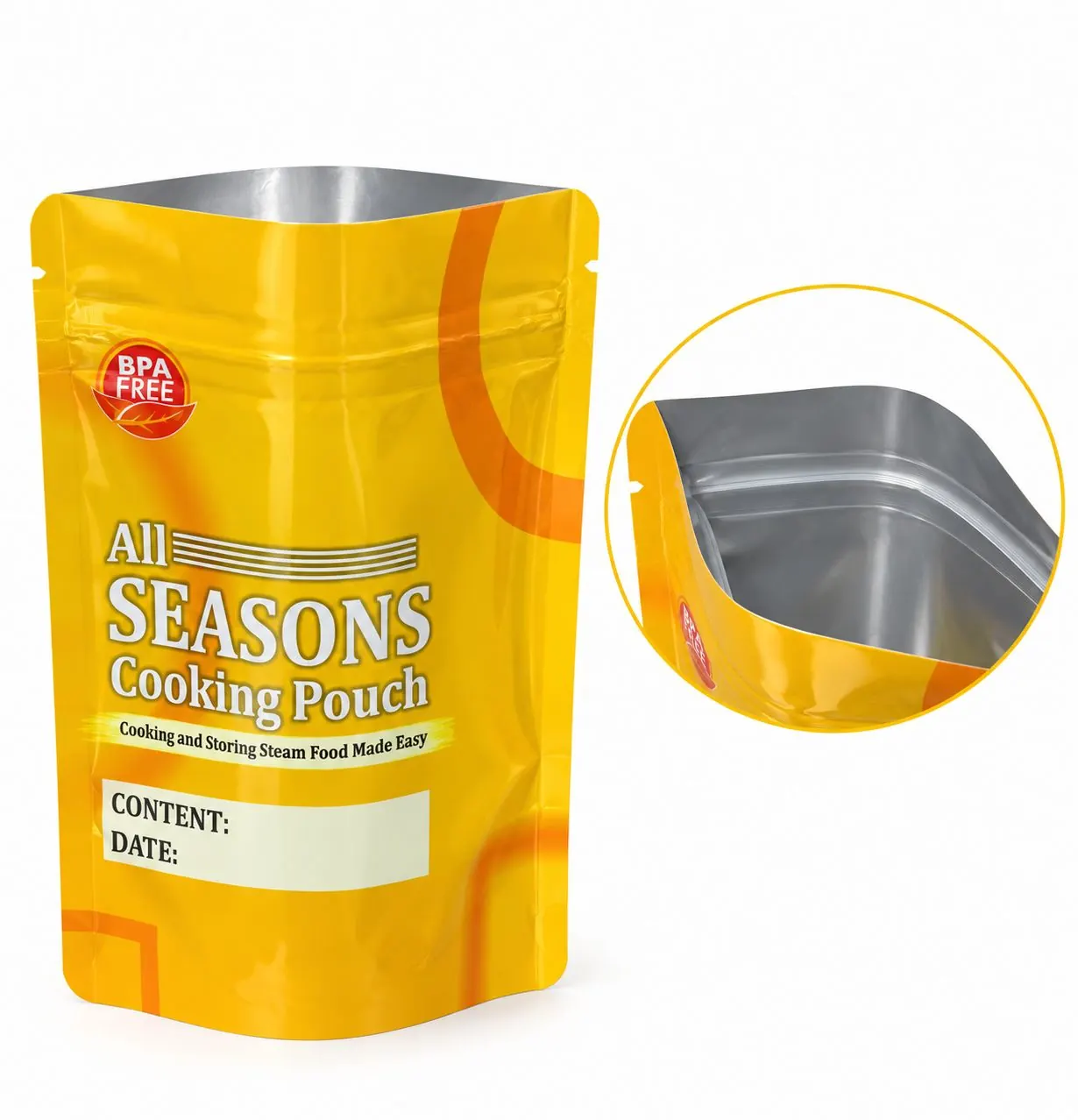
Retort Process
Built for 121°C and 135°C Retort Cycles
Different products need different sterilization profiles. We produce retort bags for both standard 121°C and high-temperature 135°C cycles, engineered around your product’s heat sensitivity and your retort equipment.
Fill & Seal
Your product is filled and the pouch is hermetically sealed on the filling line.
Retort Sterilization
Pouches maintain full seal integrity through 121°C or 135°C steam-pressure cycles.
Cooling & Release
Seals stay tight as temperature and pressure return to ambient — no delamination.
Shelf-Stable
Sterile and ready for ambient distribution, no cold chain required.
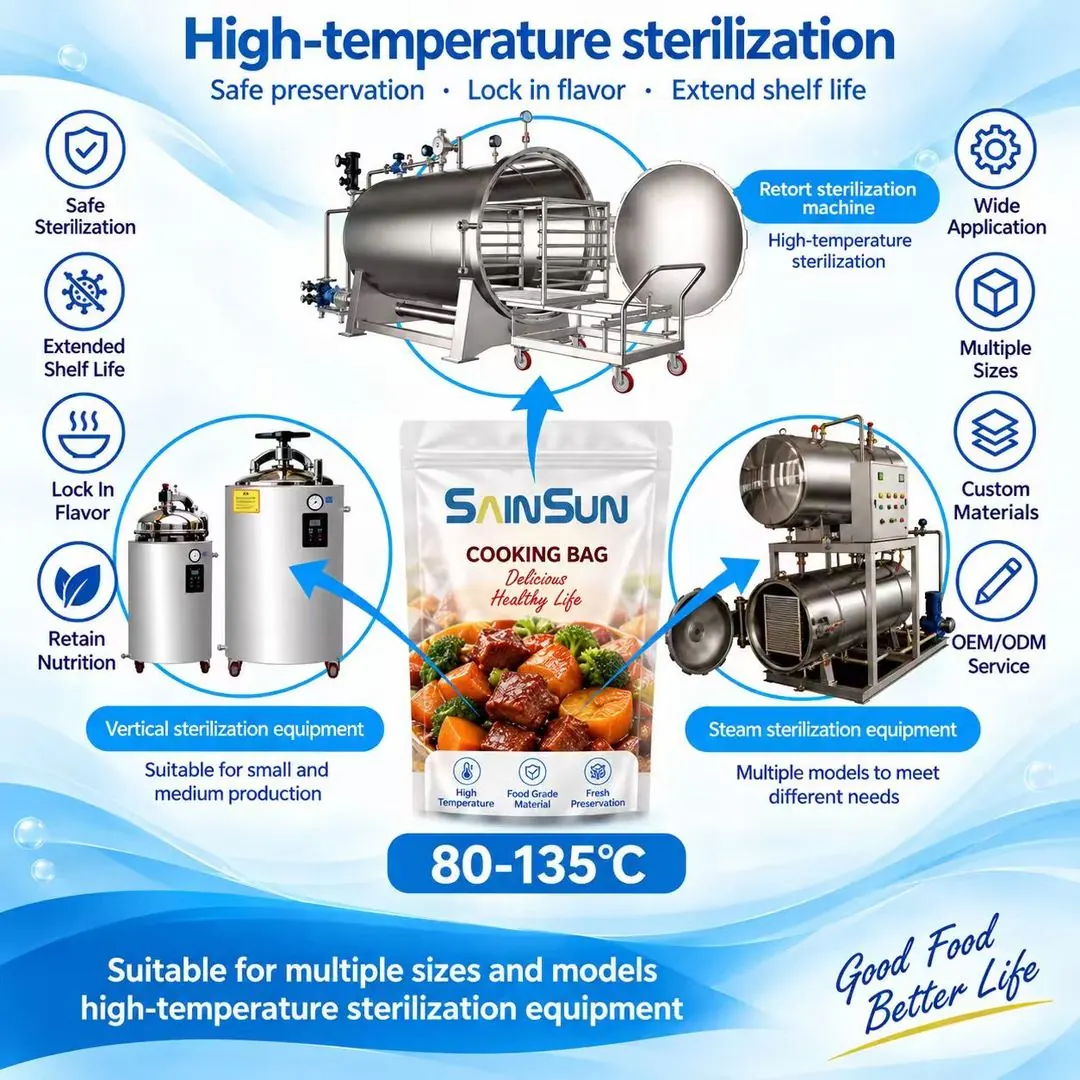
Material Structure
Layer by Layer — PET / NY / Al / RCPP
A proven four-layer retort structure. We adjust thickness and layer ratios to match your product, process, and shelf-life target.
PET — Print Surface
High tensile strength outer layer, carries up to 10-color gravure printing.
NY (Nylon) — Puncture Guard
Resists pinholes and flex-cracking while the bag is handled and pressurized.
Al (Foil) — Barrier Core
Blocks oxygen, light and moisture for long ambient shelf life.
RCPP — Retort Sealant
Heat-resistant inner sealing layer, rated for sterilization temperatures.
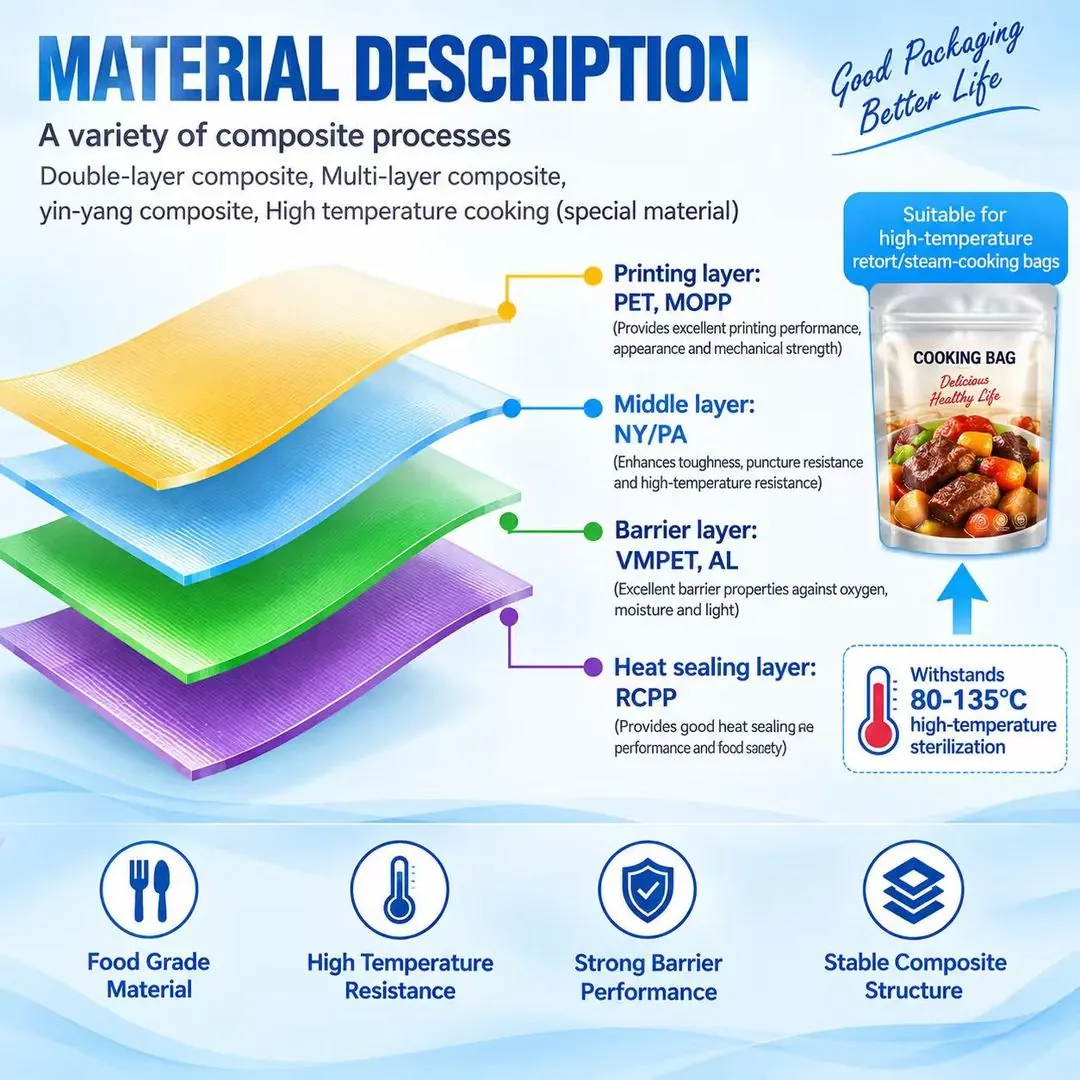
Prefer product visibility? Transparent high-barrier structures are available too — tell us what you pack and we’ll match the structure.
Customization
Built to Your Specification
Material structures, formats, and finishes are tailored to your product, barrier requirements, and brand — produced in our own factory in Huizhou, China, on 10 production lines staffed by 100+ workers.
Material Structure
Multi-layer lamination matched to your barrier needs.
Formats
Stand-up, flat, quad-seal, spouted, and shaped pouches.
Printing
Rotogravure and flexographic, up to 10 colors.
Closures
Zippers, valves, windows, and tear notches.
Production & Testing
See It Happen — Real Production, Real Tests
No staged footage. Our printing press, converting line, and the tests every retort structure must survive before shipment.
Rotogravure Printing
Up to 10-color print run on our gravure press.
Bag-Making Line
Automated converting from laminated film to finished pouch.
Boiling Test
Sealed bags hold integrity in rolling boiling water.
Retort Sterilization
Lab-scale sterilization cycle on finished pouches.
Quality & Compliance
Certified Quality You Can Trust
Every product is manufactured under internationally recognized quality and food-safety standards, with regular third-party onsite inspection.
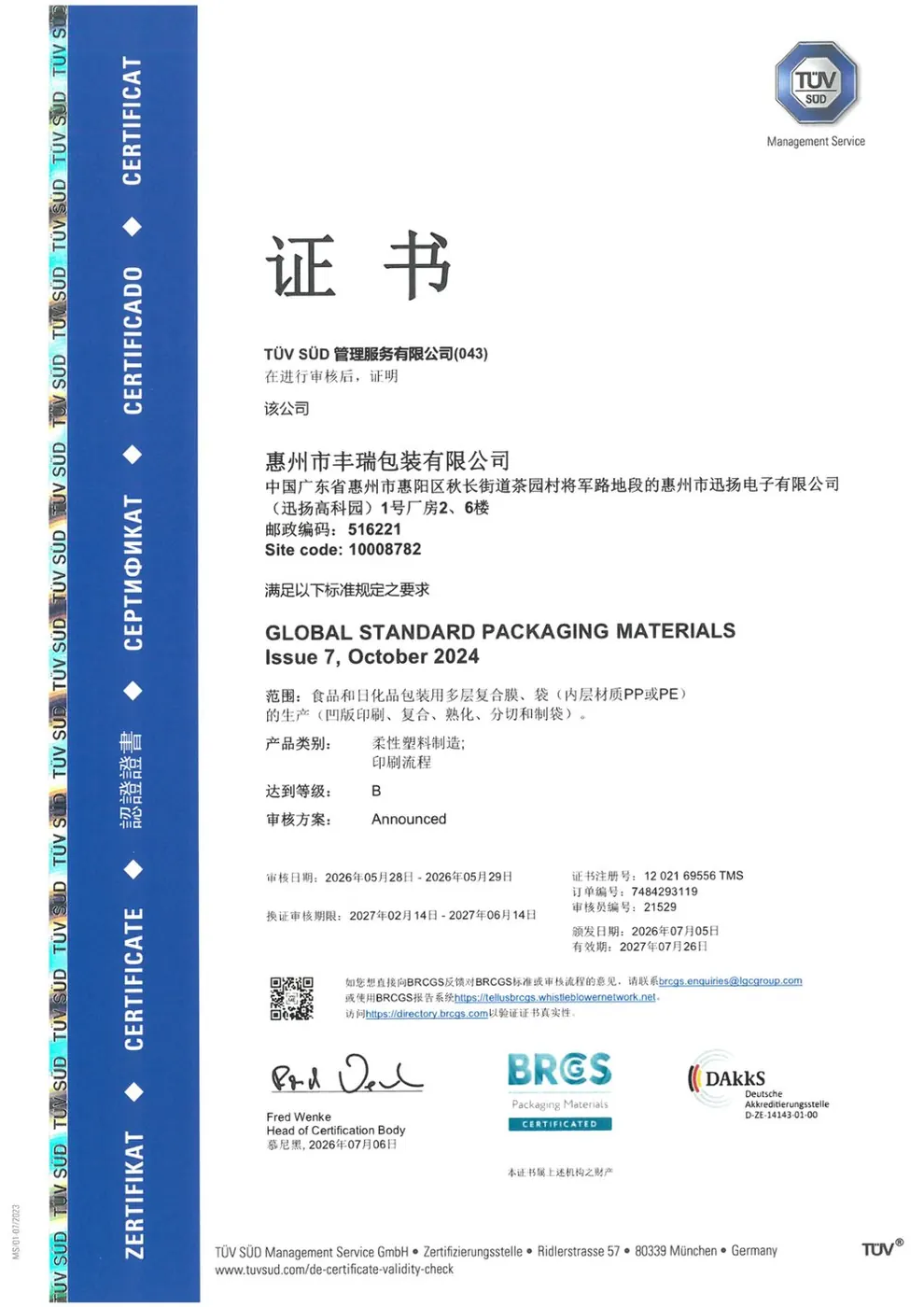
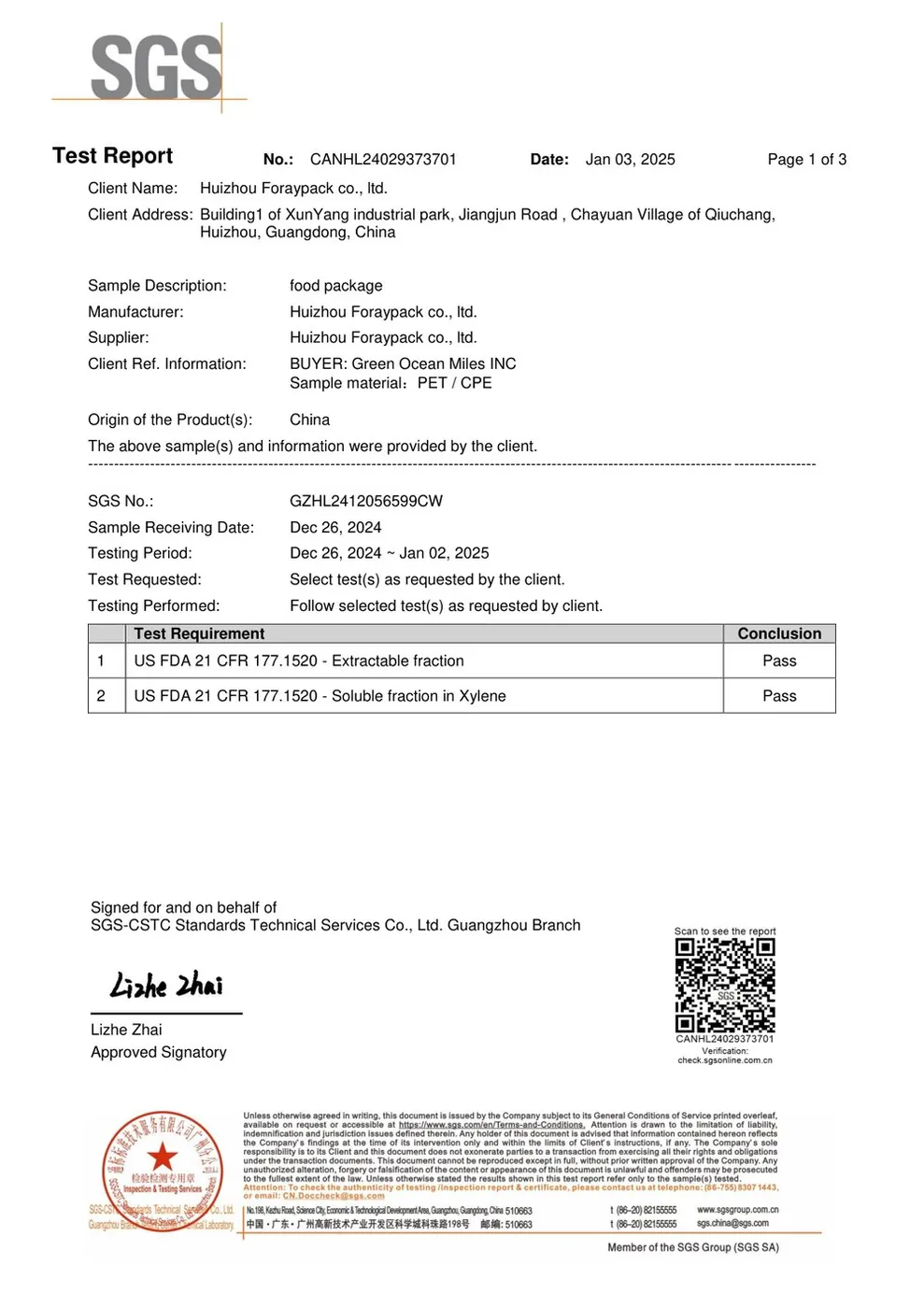
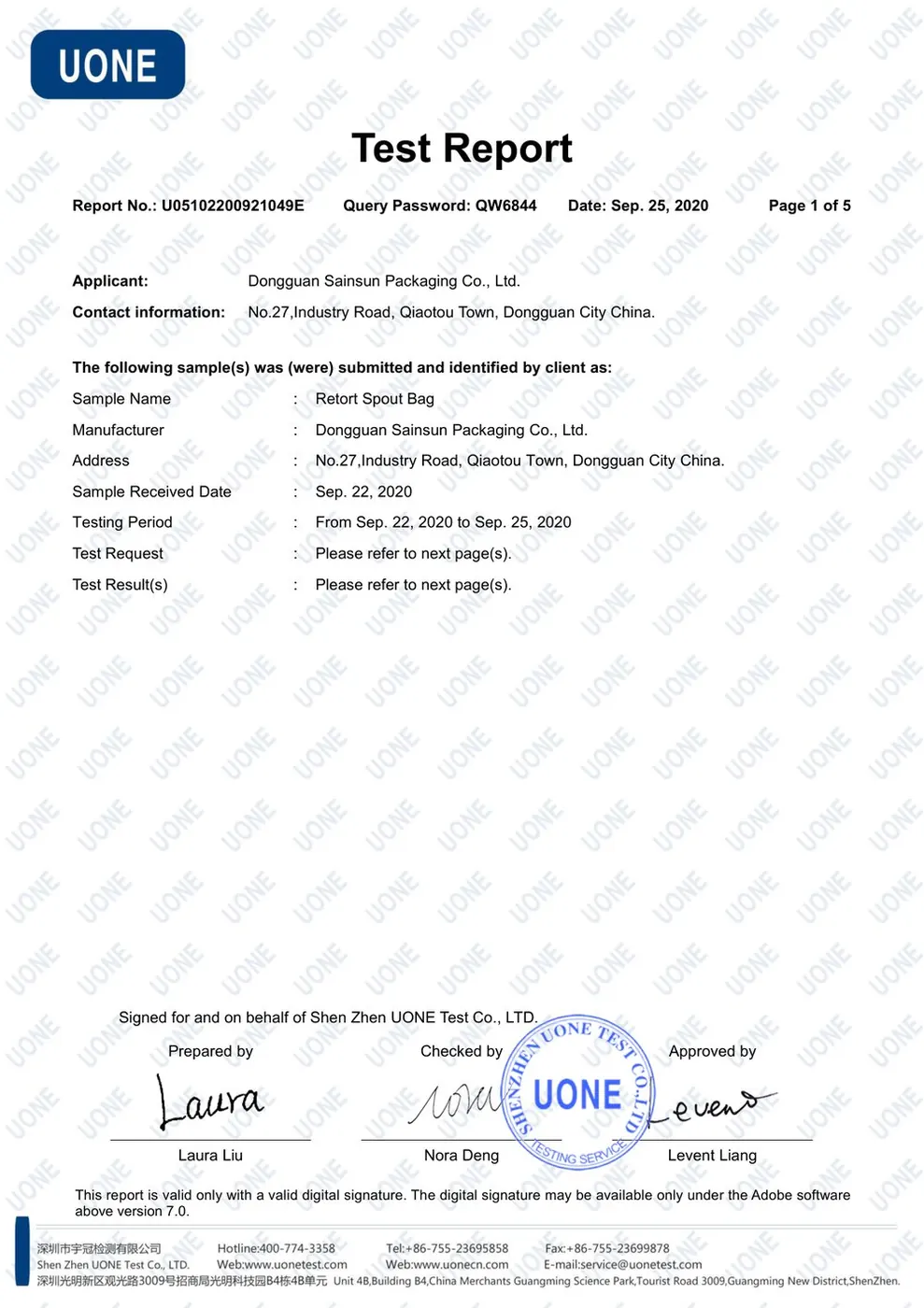
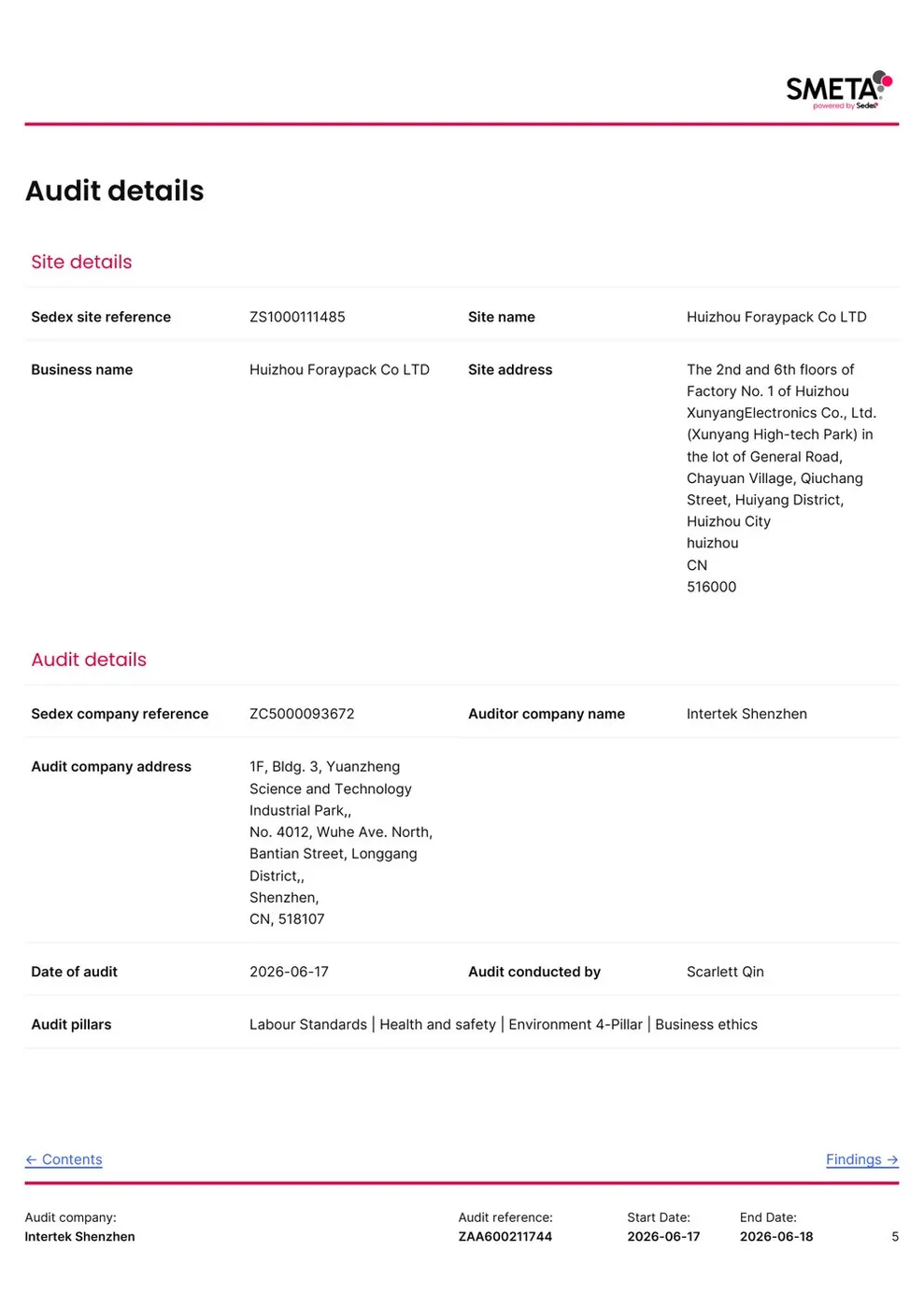
Also maintained: ISO 9001 quality management · FDA 21 CFR 177 · (EC) 1935/2004 & (EU) 2020/1245 compliance · BPA-free reports · German LUCID packaging registration. Full reports available on request.
FAQ
Retort Bags — Common Questions
What is the MOQ for customized retort bags?
Our minimum order quantity is 5,000 pcs per design. This covers both 121°C and 135°C structures, with your artwork and chosen format.
Can you match my sterilization profile?
Yes. Share your product, target temperature (121°C or 135°C), cycle time and retort equipment — we engineer the structure and confirm seal performance before production.
Do you provide samples before mass production?
Yes. Stock samples are free — you only cover freight. Customized printed samples take 5–7 days at US$120 for 1–2 pieces, with the print film fee waived.
What formats and printing can I choose?
Stand-up, flat, quad-seal, spouted and shaped pouches; up to 10-color rotogravure or flexographic printing; matte, gloss or paper-look finishes; zippers, windows and tear notches.
Which compliance documents come with the bags?
Manufactured under our BRCGS-certified system, with FDA 21 CFR 177.1520 test reports and EU food-contact compliance (Regulation (EC) No 10/2011) available for retort structures.