
Microwave-Ready Bags
A microwave-ready pouch is heated sealed — an engineered vent releases steam as pressure rises, so the pack warms instead of bursting and the food goes from freezer to microwave with no opening, no plate and no cling film over the top. The line that decides which pack you actually need: if you want ambient shelf life and export, that is a retort pouch, sterilised after sealing at 121°C or 135°C; if you sell frozen convenience food, that is a microwave venting pack, which is never sterilised. What this page gives you: the structures and formats we run, the closure and print options, and what to send so the quote is real.
Key Features
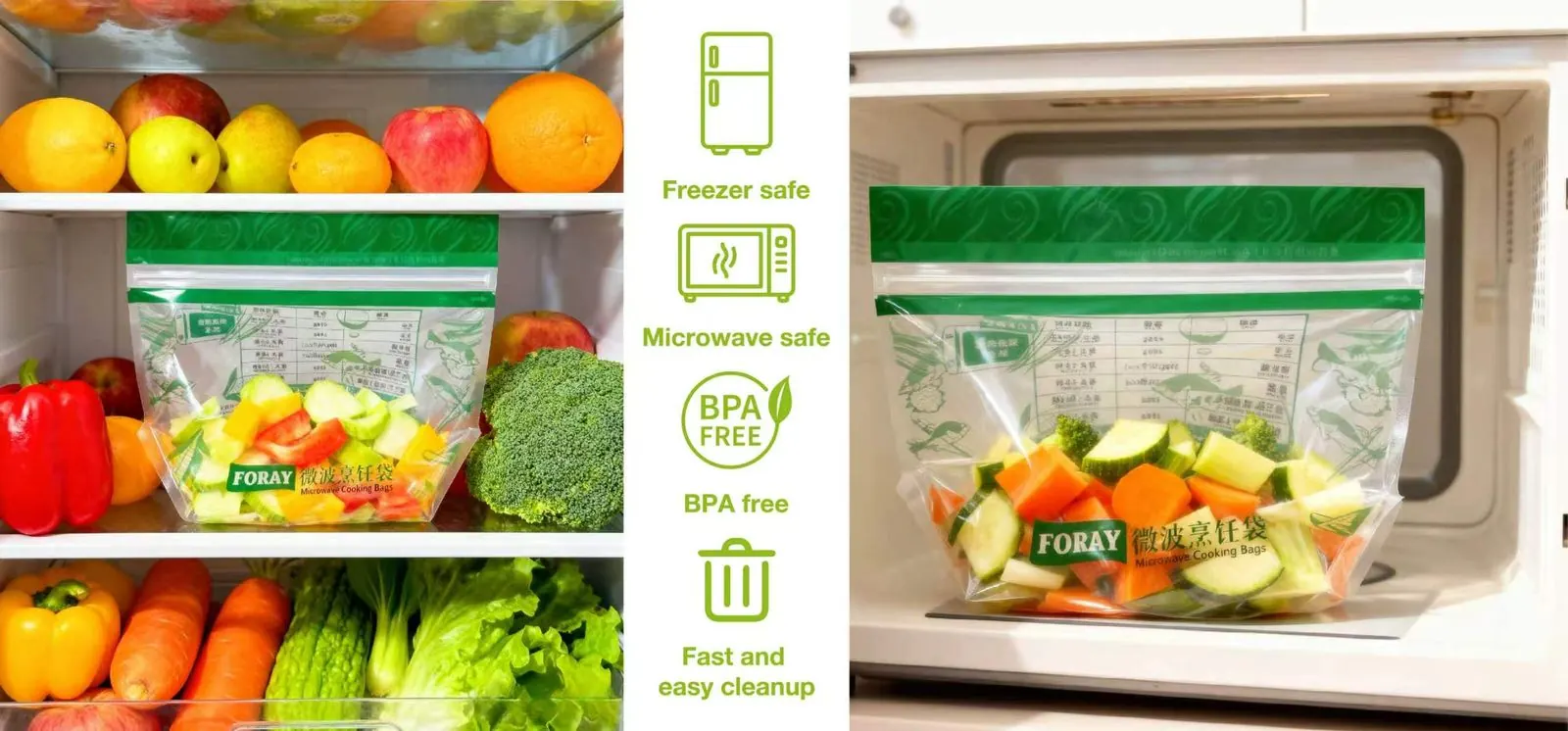
- Automatic venting design prevents bursting
- Advanced material maintains freshness and moisture barrier
- Even microwave heating preserves optimal texture
- Suitable for dumplings, buns, ready meals, rice, noodles, soups, and more
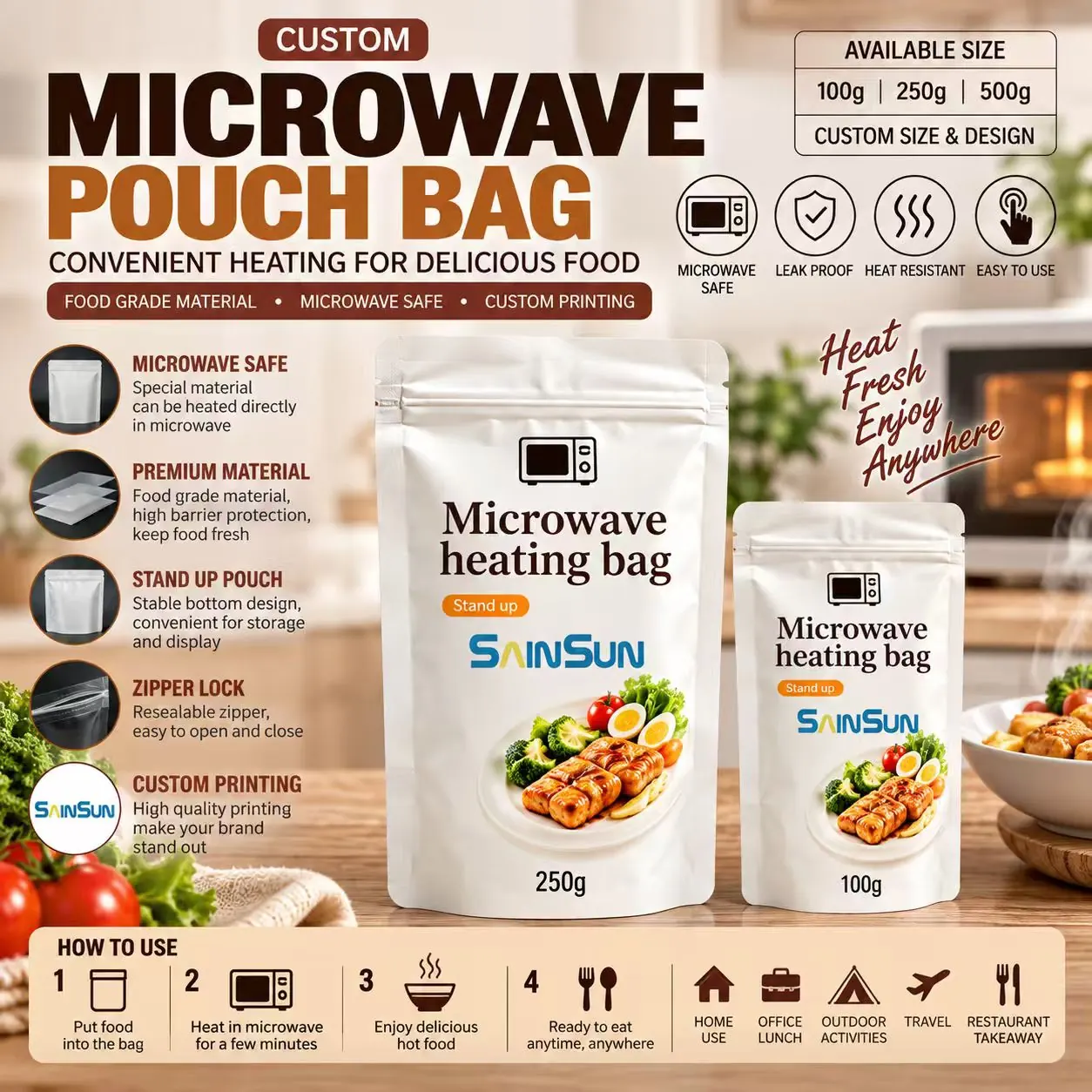
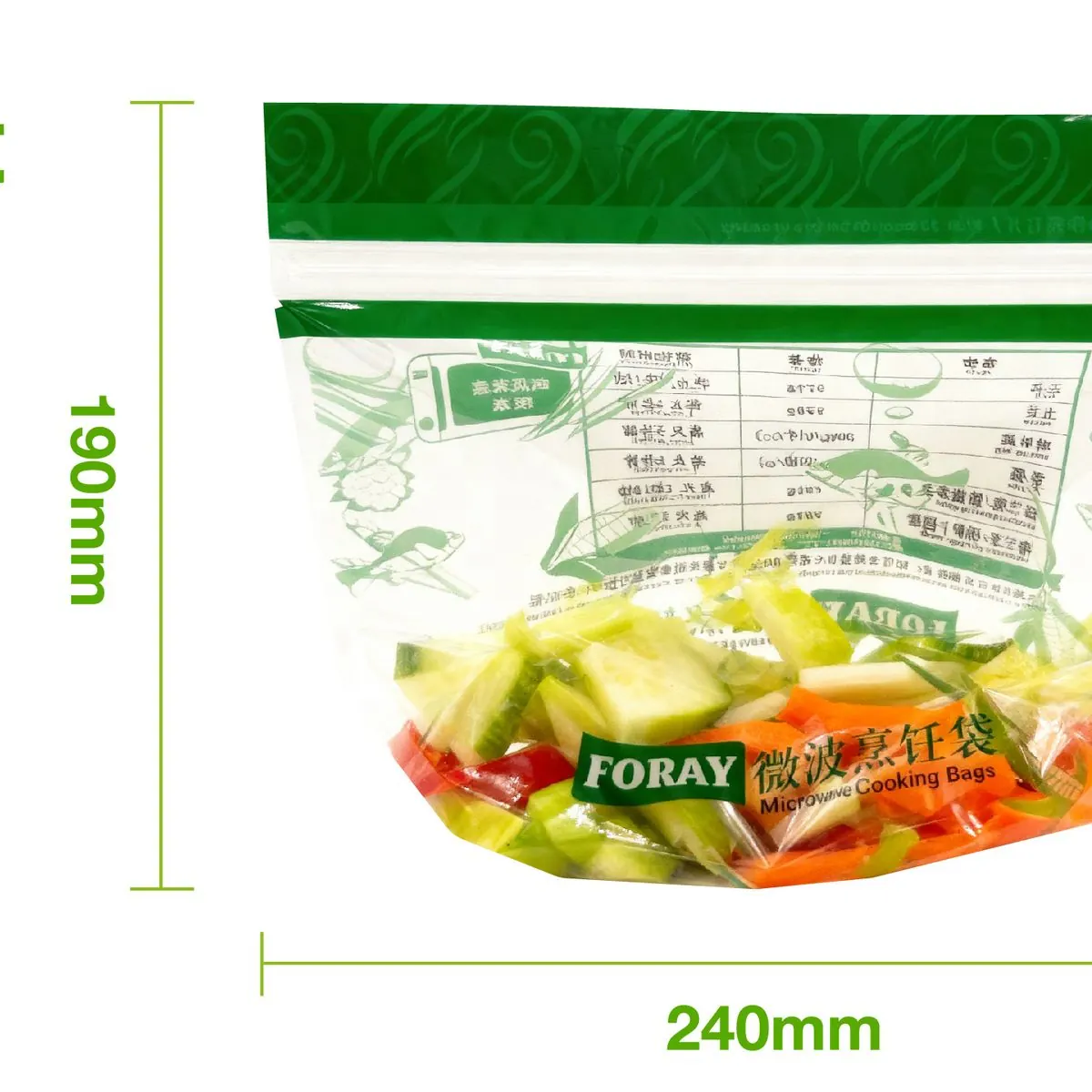
Our microwave-safe pouch structure is protected by granted Chinese patents — utility model CN 223658769 U and design patent CN 309517999 S. See the patent details and lab test data →
Live Demo
Watch the Sealed Bag Go Straight into the Microwave
No opening, no transferring, no watching over it. The engineered vent releases steam automatically while the food heats in its own moisture.
Frozen dumplings — freezer to table in one bag
The bag stays sealed the whole time; the vent releases excess steam automatically.
More application videos available on request.
Venting Technology
How the Self-Venting Design Works
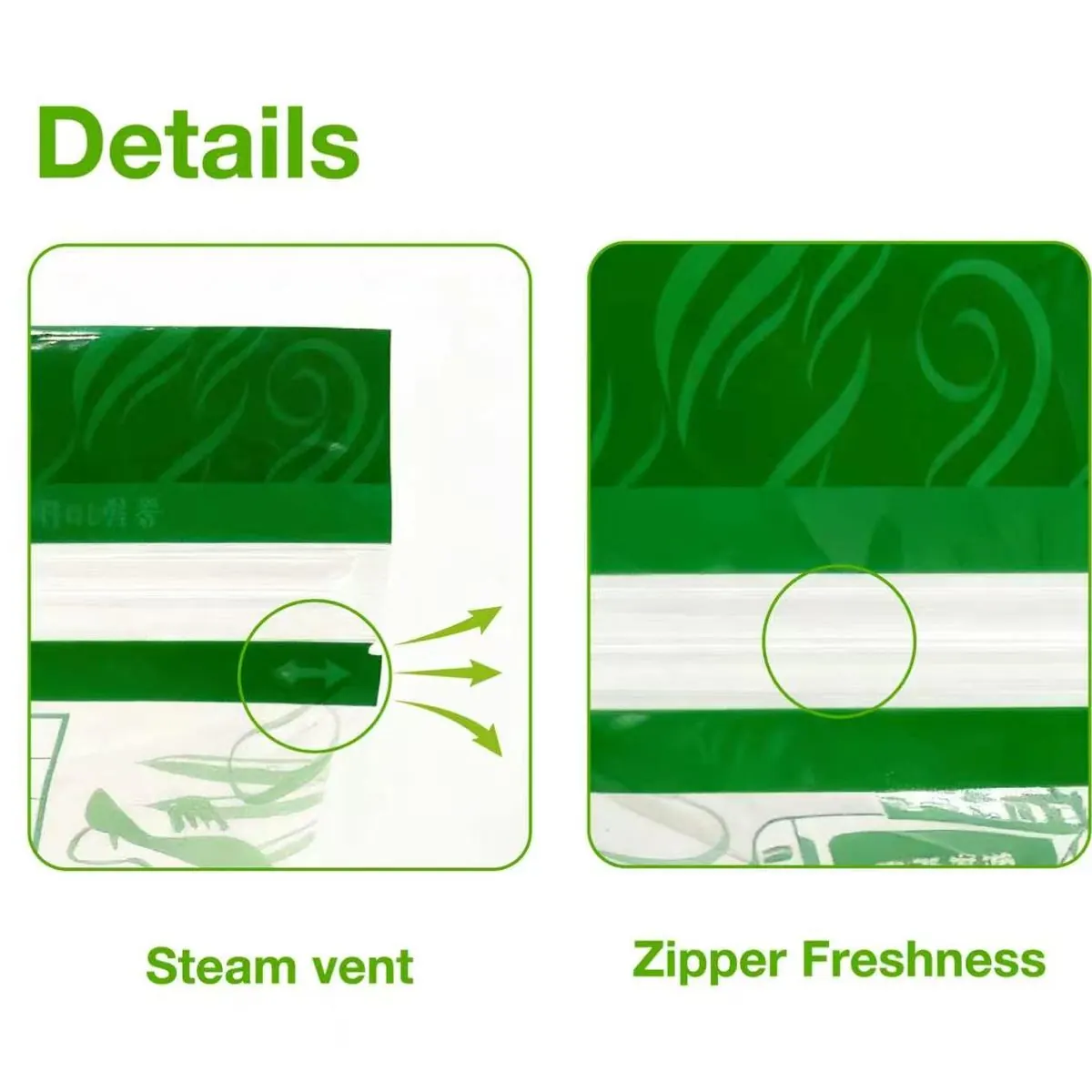
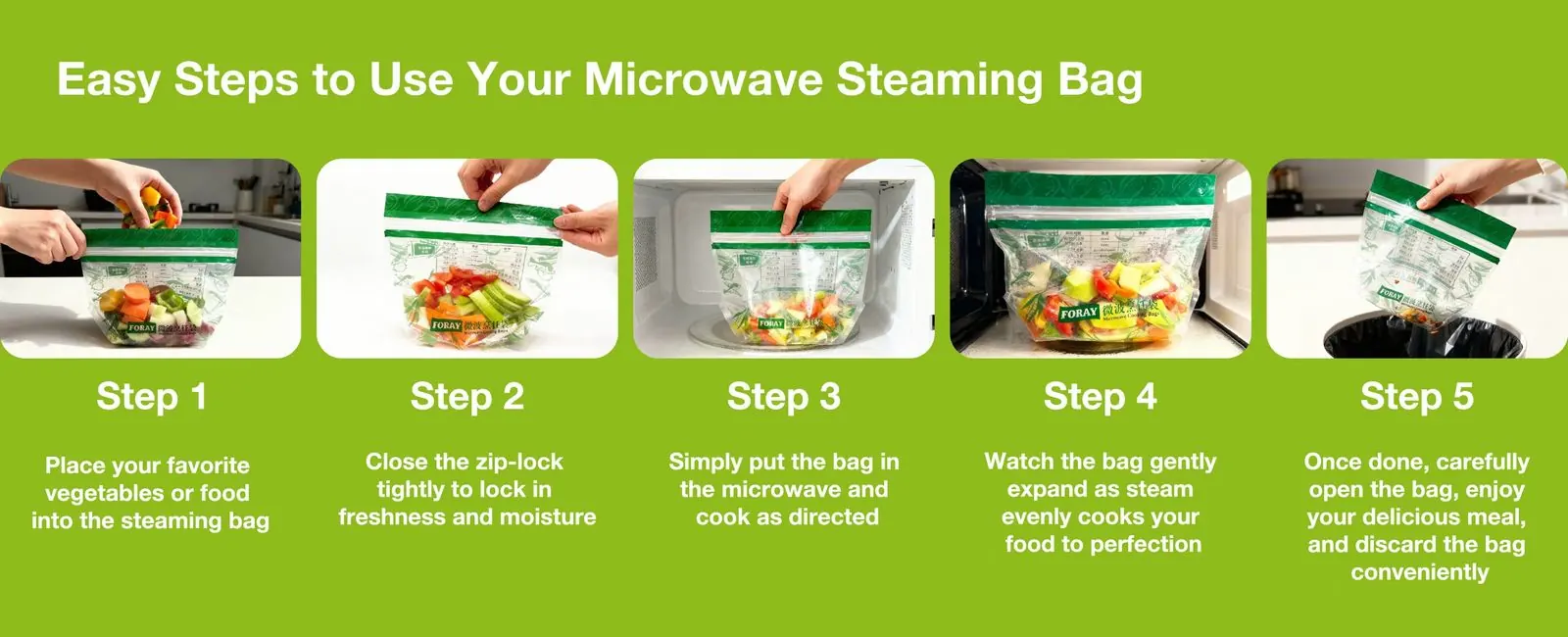
A proprietary pressure-release point is built into the bag. It works automatically during heating — no tearing, no opening, no monitoring.
Steam Builds Up
Heating food in a sealed bag raises internal steam pressure fast.
Vent Opens Gradually
At a set pressure, the engineered vent releases excess steam in a controlled flow.
Balanced Heating
Pressure stays stable: no bursting, and food reheats evenly in its own moisture.
Straight from freezer to microwave — the way frozen food was meant to be reheated.
Comparison
Venting Bag vs. Regular Packaging
| Our venting bag | Regular bag / container | |
|---|---|---|
| Prep | Straight from freezer to microwave | Thaw, transfer, or open first |
| Safety | Engineered vent prevents pressure build-up | Trapped steam can burst the bag |
| Texture | Reheats in its own steam — moist and even | Often dries out or heats unevenly |
| After use | Serve or dispose — nothing to wash | Extra container to wash |
Applications
One Bag, Many Frozen Favorites
Frozen Dumplings & Buns
Steam straight from frozen; wrappers stay soft, fillings heat through.
Rice & Noodles
Even reheating with no dried-out edges.
Ready Meals
Reheat-and-serve convenience for retail and foodservice.
Soups & Sauces
Controlled venting handles liquid expansion safely.
Featured Product
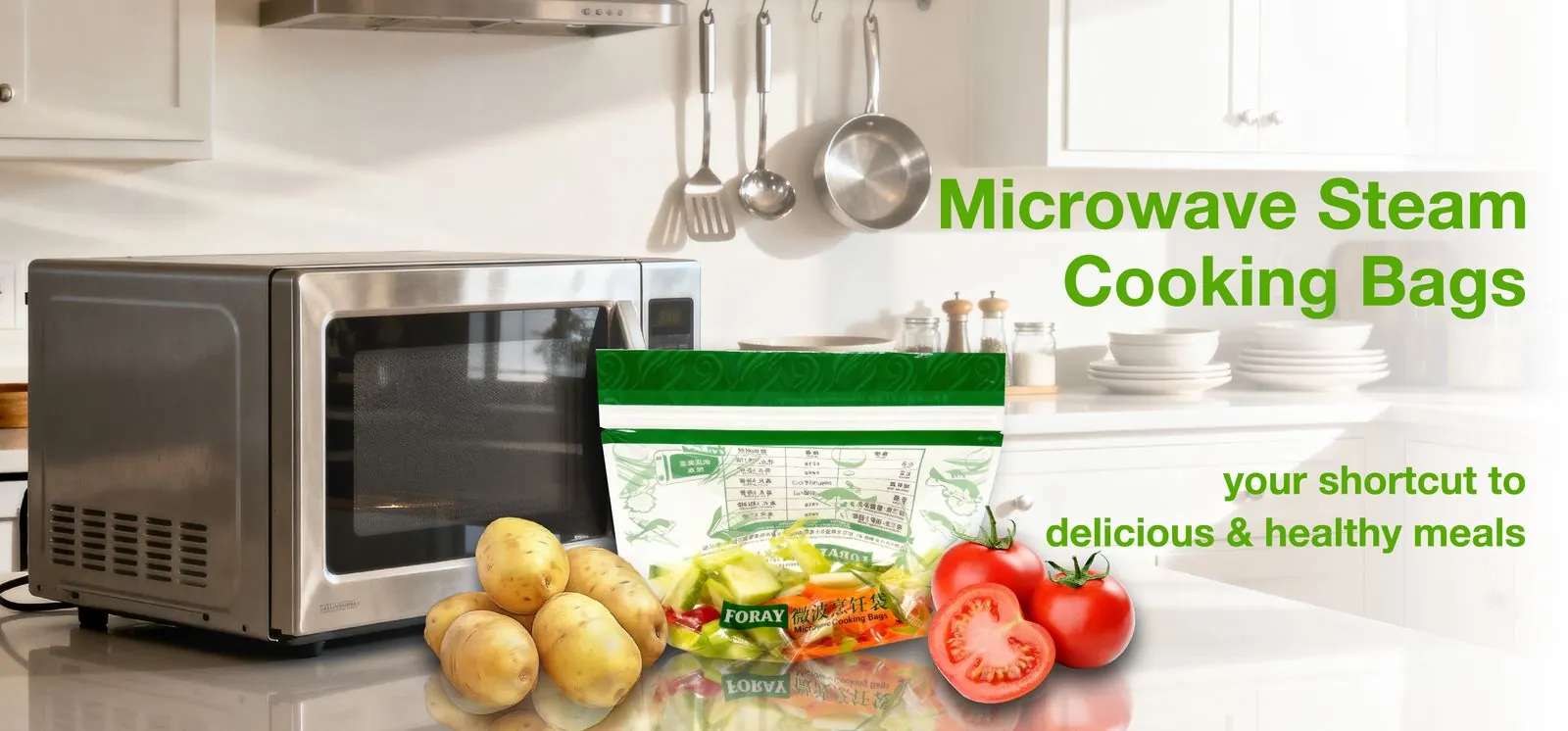
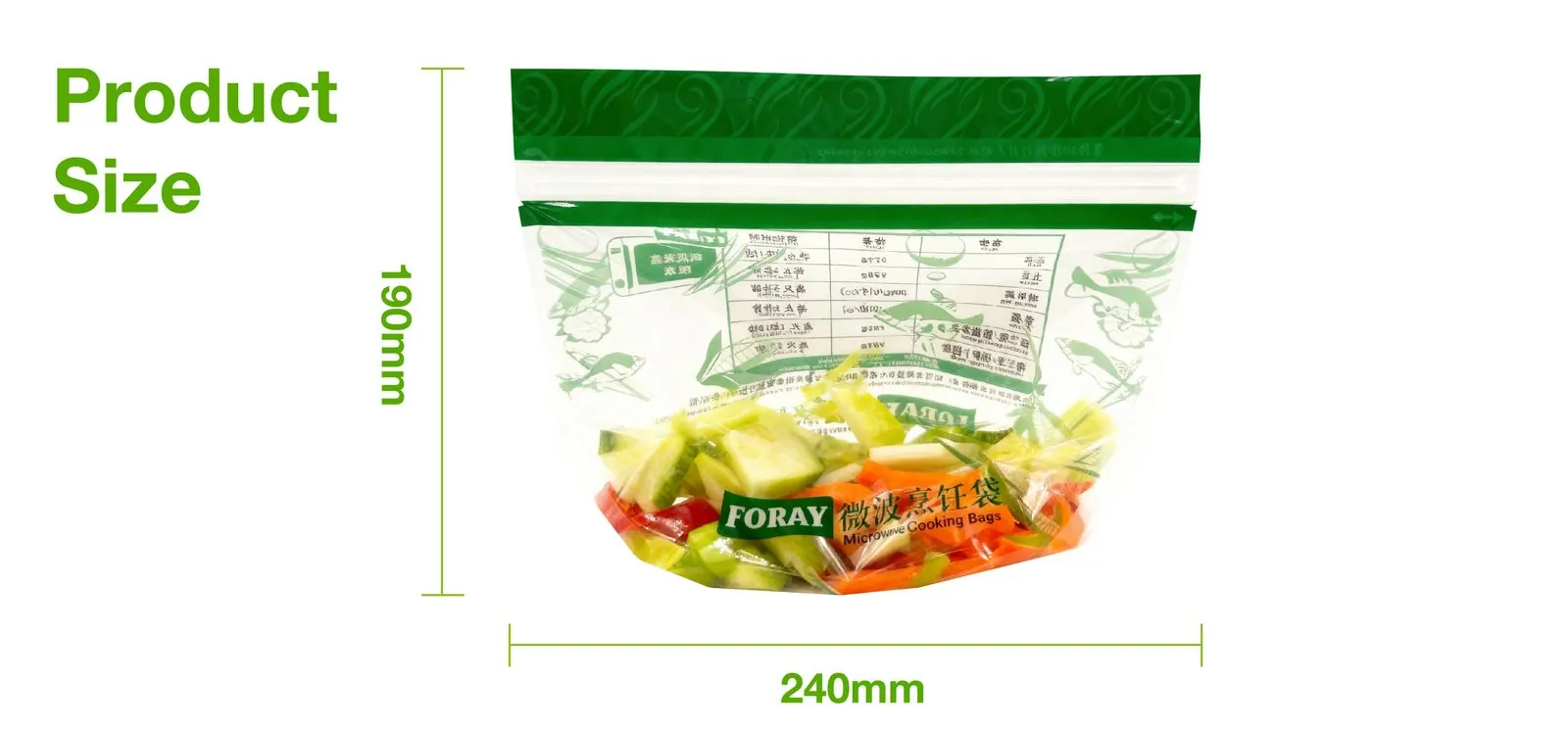
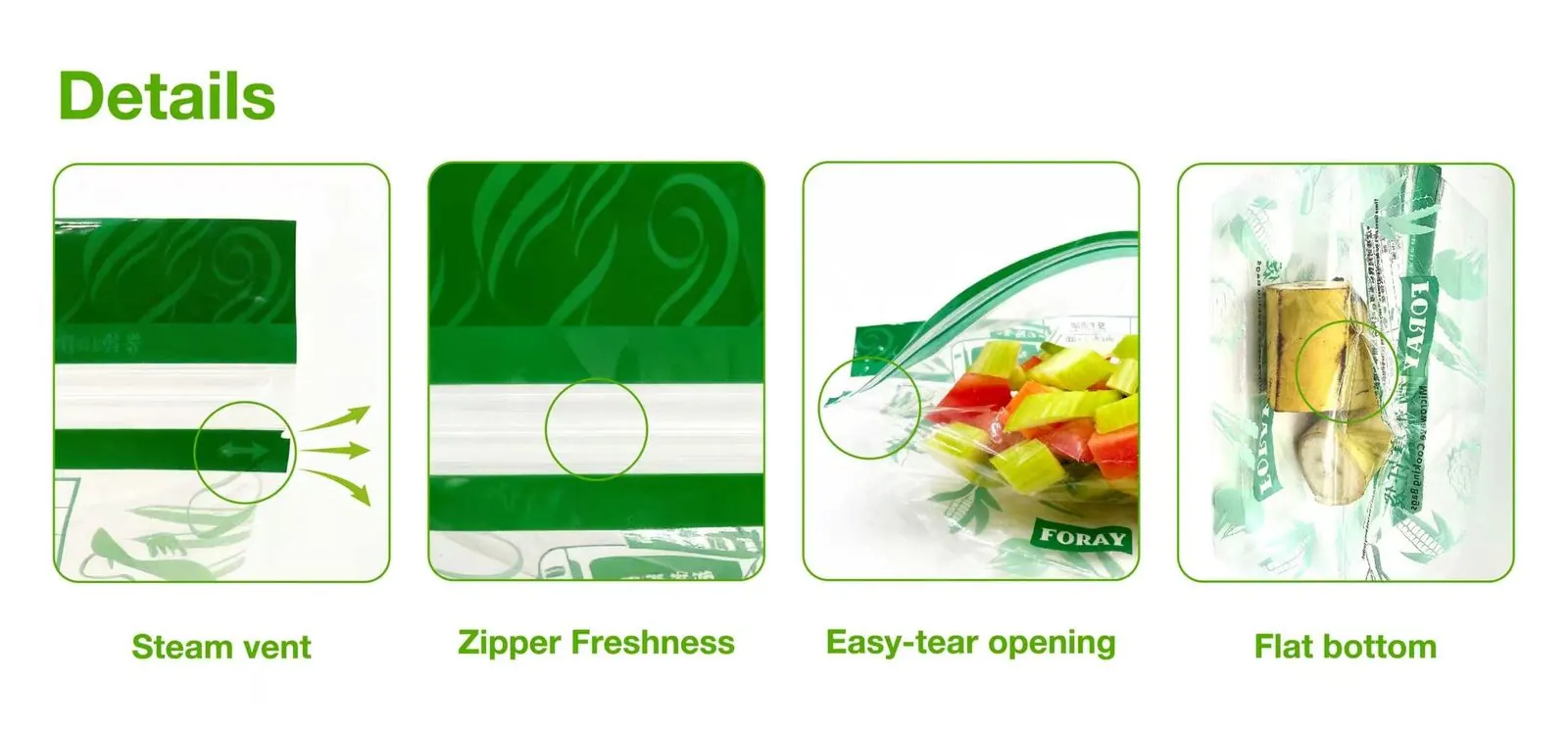
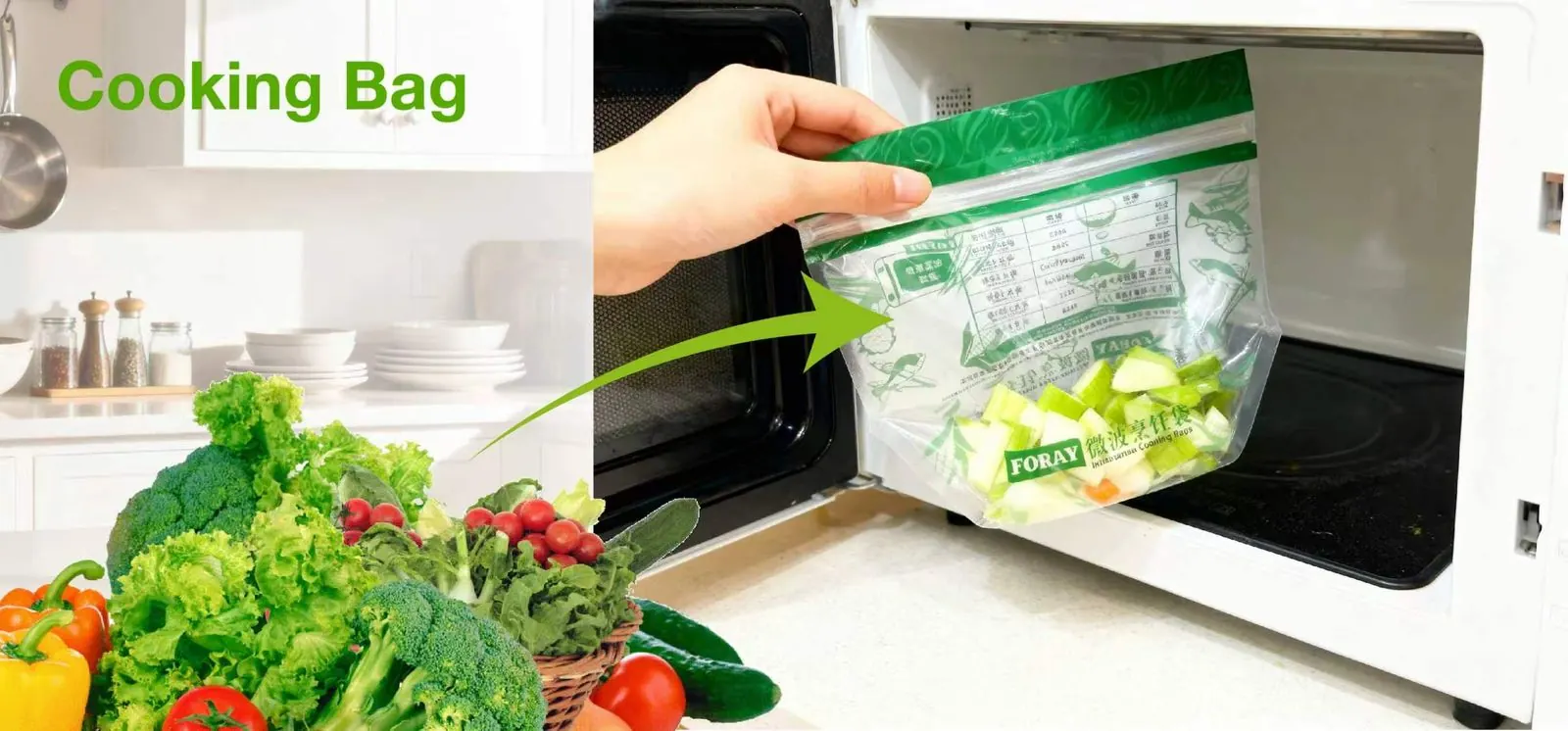
Our Ready-Made Microwave Steaming Bag
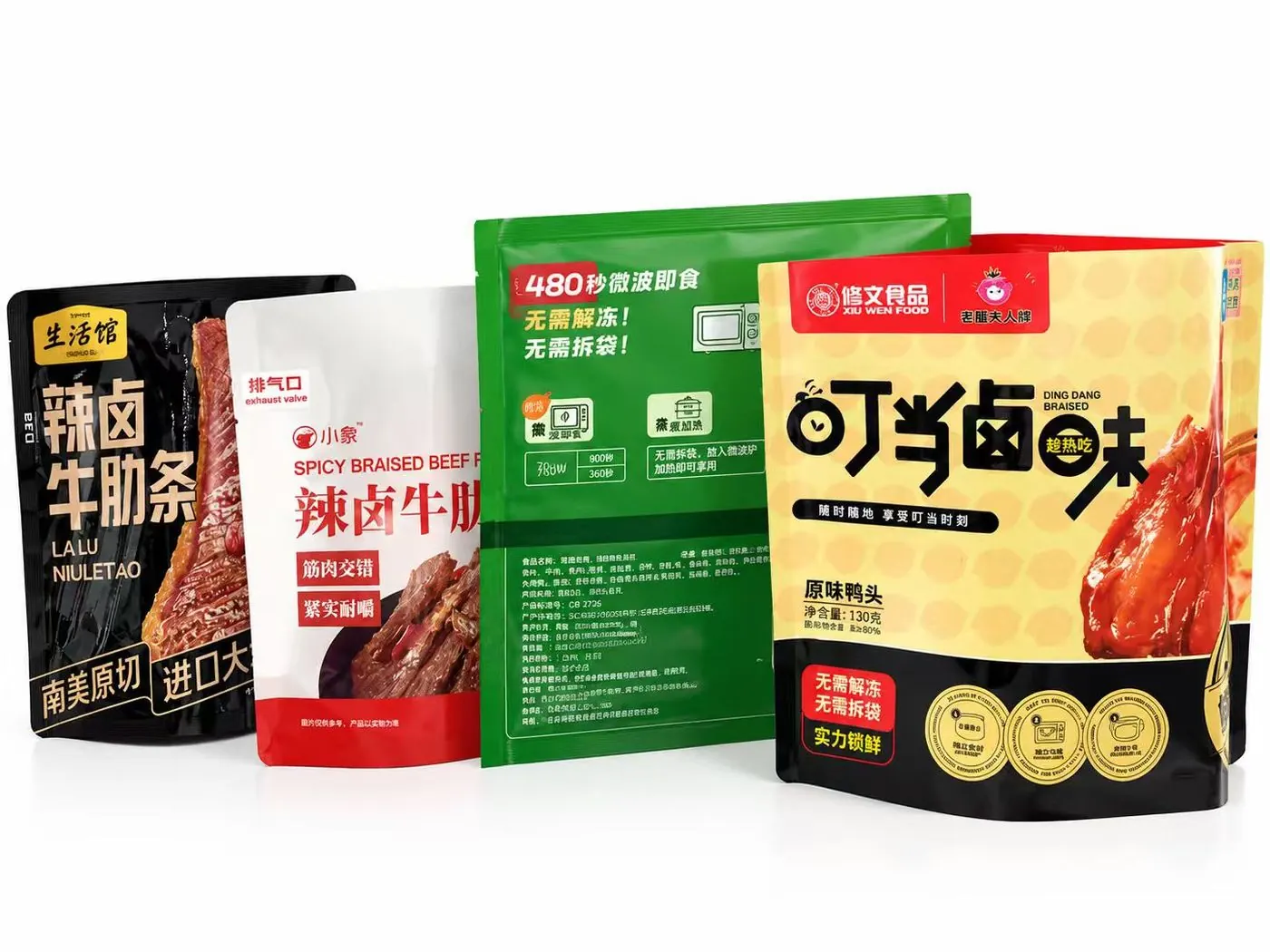
Alongside full customized projects, we produce a finished microwave steaming bag under our in-house brand FORAY — a proven, shelf-ready design you can private-label, or use as a starting point for your own artwork and structure.
Customization
Built to Your Specification
Material structures, formats, and finishes are tailored to your product, barrier requirements, and brand — produced in our own factory in Huizhou, China, on 10 production lines staffed by 100+ workers.
Material Structure
Multi-layer lamination matched to your barrier needs.
Formats
Stand-up, flat, quad-seal, spouted, and shaped pouches.
Printing
Rotogravure and flexographic, up to 10 colors.
Closures
Zippers, valves, windows, and tear notches.
Quality & Compliance
Certified Quality You Can Trust
Every product is manufactured under internationally recognized quality and food-safety standards, with regular third-party onsite inspection.
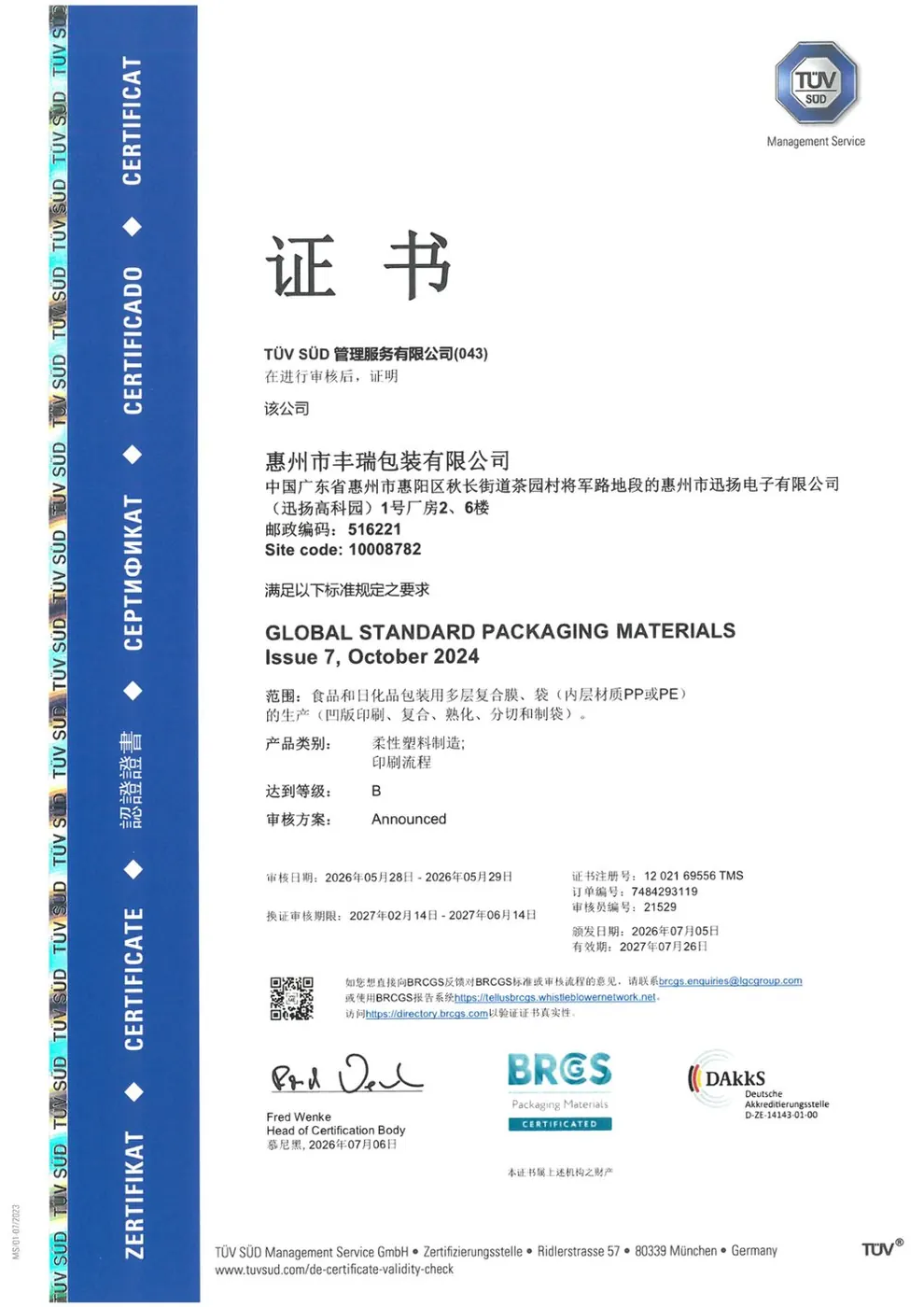
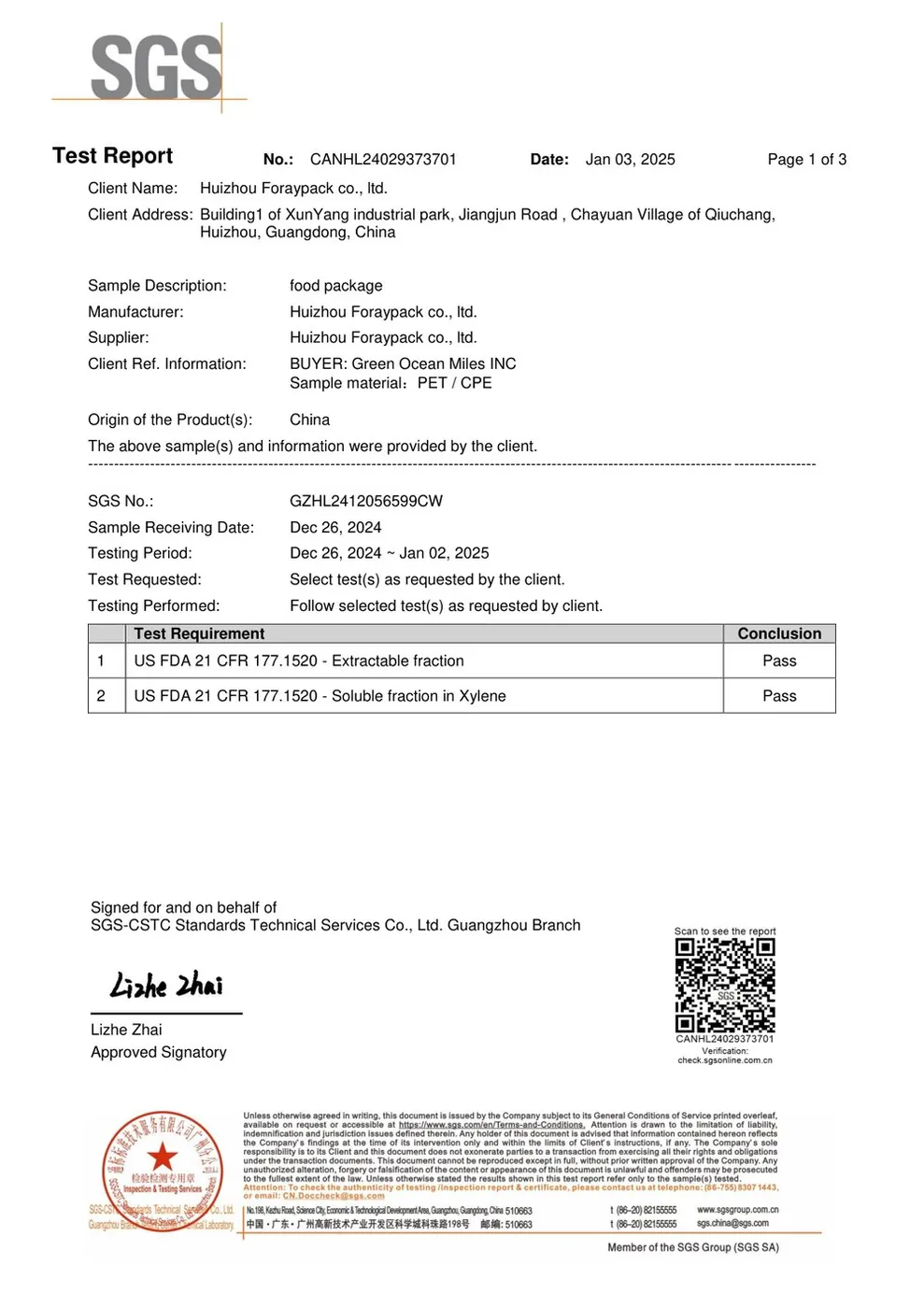
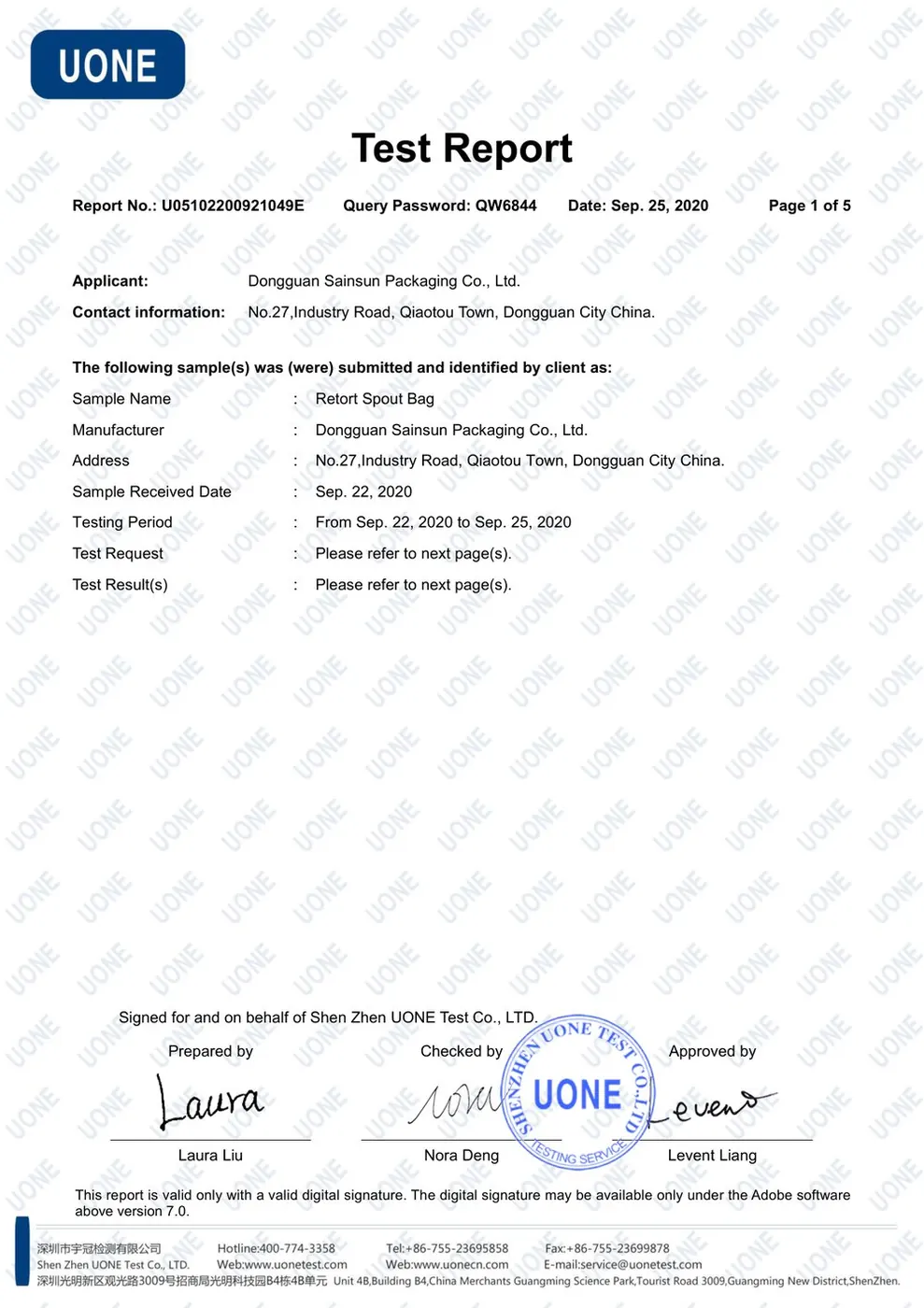
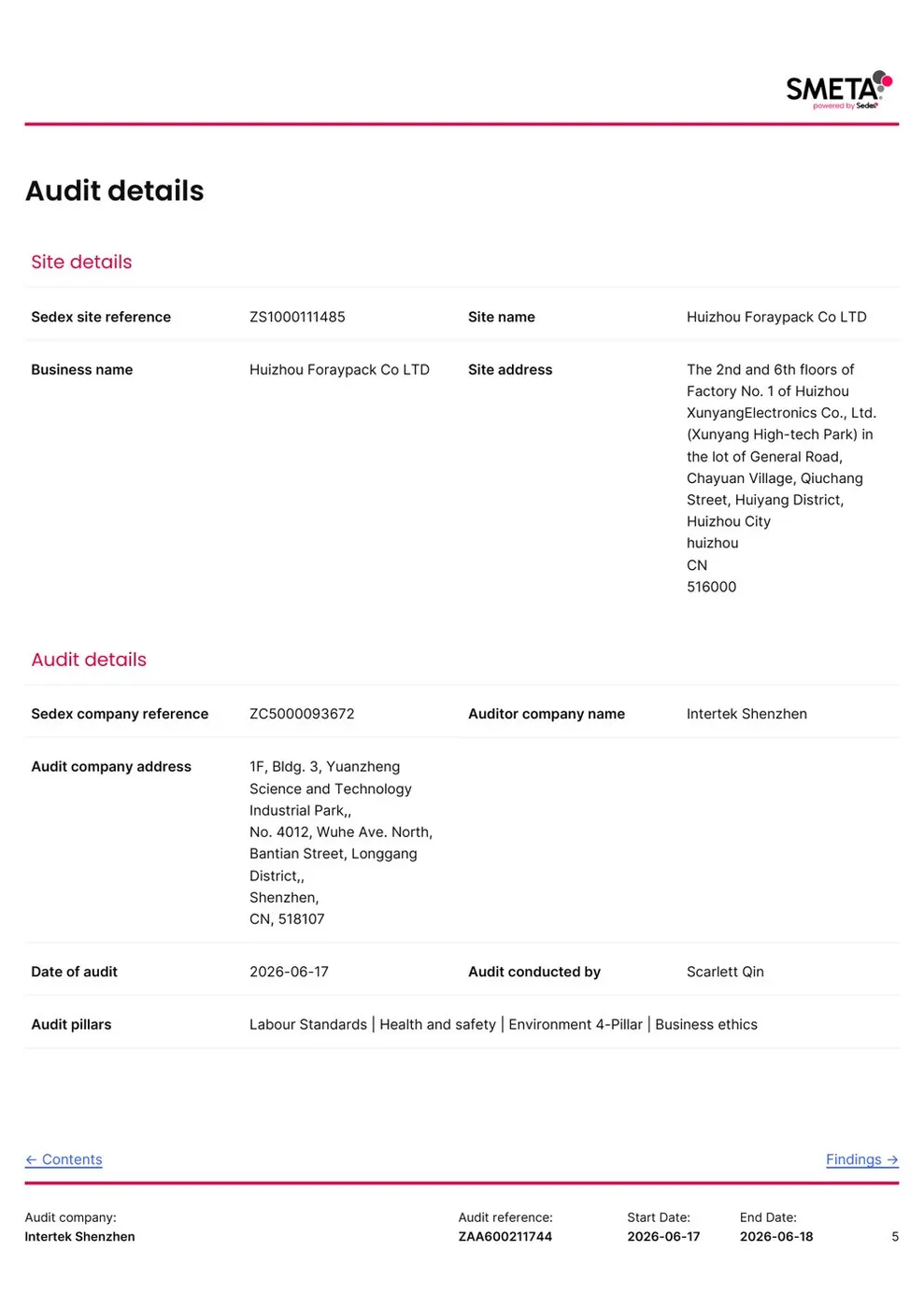
Also maintained: ISO 9001 quality management · FDA 21 CFR 177 · (EC) 1935/2004 & (EU) 2020/1245 compliance · BPA-free reports · German LUCID packaging registration. Full reports available on request.
FAQ
Microwave-Ready Bags — Common Questions
Do microwave-ready bags have to be opened before heating?
No — that is what the pack is engineered for. A pressure-release point vents steam automatically as the food heats, so pressure never reaches a bursting point and the food stays in the bag until it is served.
What is the difference between a microwave cooking bag and a retort pouch?
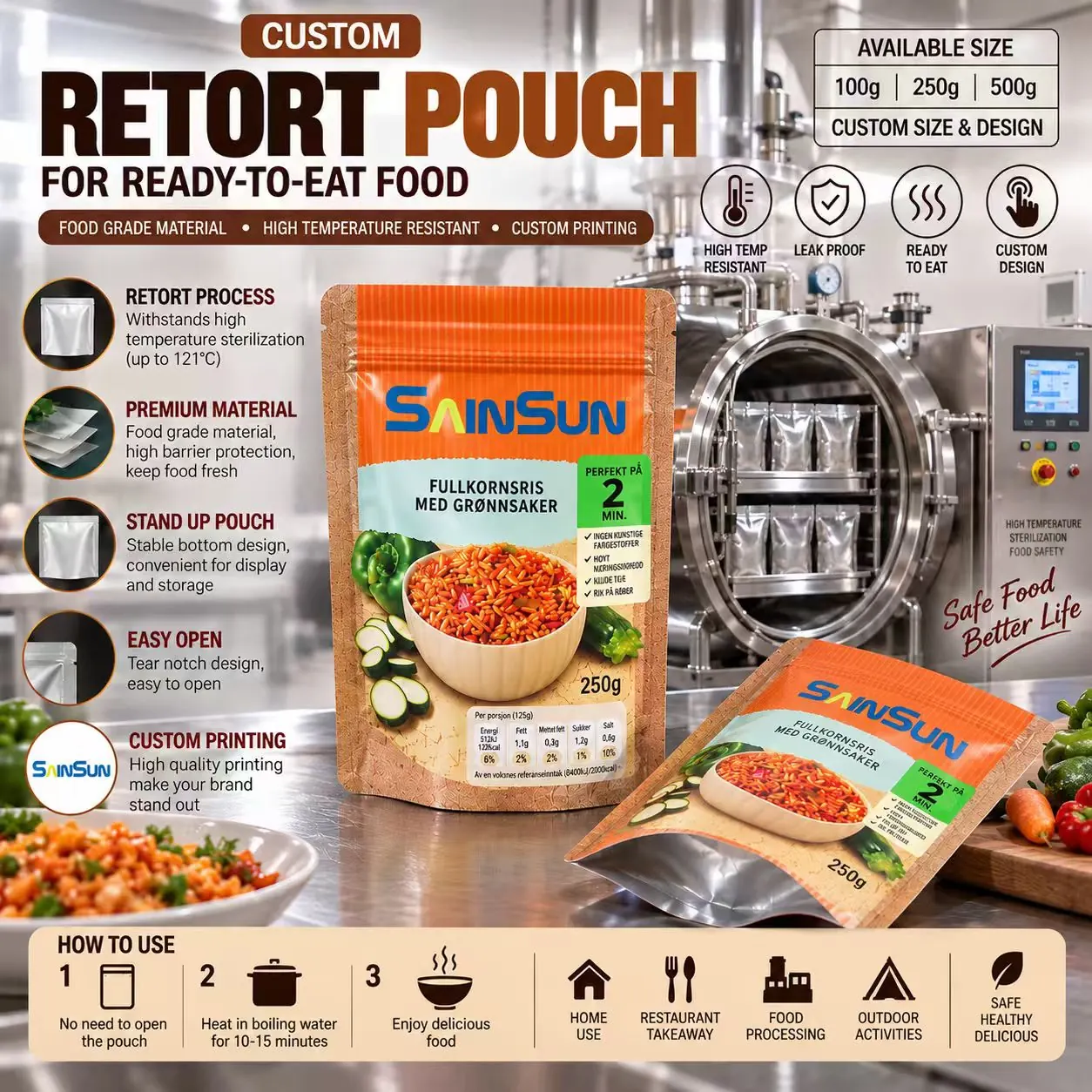
A retort pouch is sterilised after it is sealed, typically at 121°C or 135°C in a steam-pressure vessel, so the food becomes shelf-stable at room temperature. A microwave cooking bag is never sterilised: the customer heats the sealed pack and an engineered vent releases the steam. If you need ambient shelf life and export, you need retort; if you sell frozen convenience food, you need microwave venting. See the full comparison.
Can the pouch go straight from the freezer into the microwave?
Yes. The pack is designed around that moment: taken from the freezer and put, still sealed, into the microwave. Fill weight and viscosity still change the heating result, so we ask for both when quoting.
Is it safe to microwave food in a sealed bag?
Yes — that is exactly what this bag is engineered for. The self-venting design releases excess steam automatically, so pressure never builds to a bursting point.
What foods is it best for?
Frozen dumplings and buns, rice, noodles, ready meals, soups and sauces — anything that needs moist, even reheating from frozen or chilled.
Can I get the venting design on my own packaging?
Yes. We customize bag size, structure, venting placement and artwork to your product. MOQ is 5,000 pcs per design.
Does the vent affect shelf life or freezer storage?
No. The multi-layer structure maintains a strong moisture and oxygen barrier for frozen storage; the vent only activates during heating.
Can I see it in action before ordering?
Yes — request free stock samples, or customized printed samples (5–7 days, US$120 for 1–2 pieces). A short heating demo video is available on request.
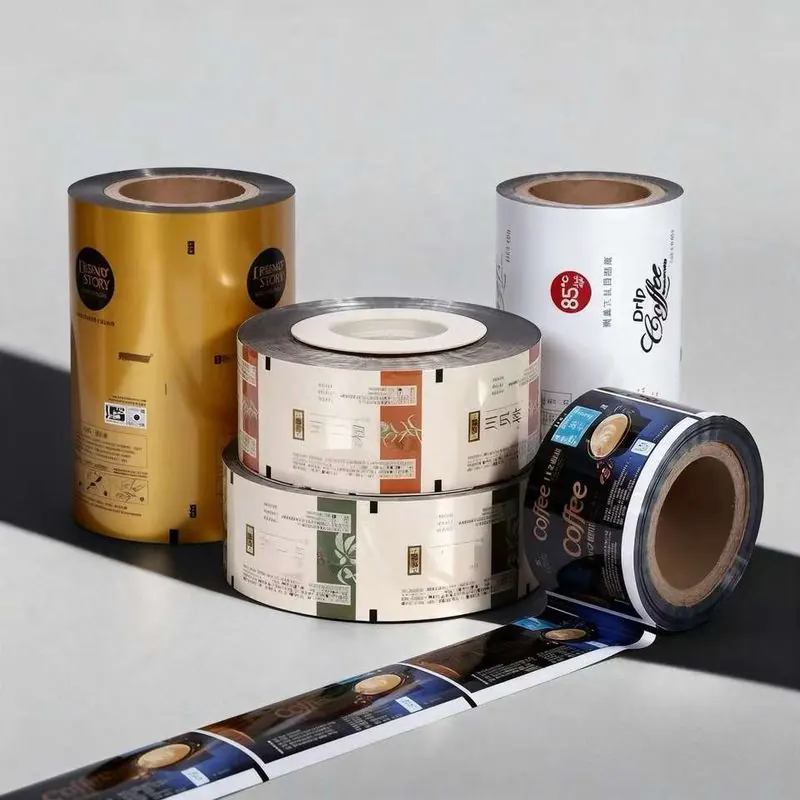
Engineering
Self-Venting, Validated Before Production
A microwave-ready pack has to survive two contradictory jobs: sealed strongly enough for frozen distribution, and safely pressure-managed at 100°C-plus steam in minutes. Our proprietary venting design opens under the conditions it should and seals again when it should — and because venting is the whole point of the category, we validate it before production, not on your consumer.
Validation covers the sequence your customer will actually run: freezer to microwave, full cook cycle, then the unboxing experience — no bursts, no delamination, no leaks at the vent patch. Seal strength and food-contact documentation come with the structure as standard.
Validation
What We Test Before a Production Run
Vent performance
Pressure opens the vent in the cook window and re-seals on cooling — verified against your cook instructions.
Seal strength
Tested on site per run: the pack must survive transport before it ever reaches a microwave.
Microwave cycle
Full power, full time, from frozen — the harshest case, not the average one.
Food contact
FDA / EU documentation for the food-contact layer, supplied with the structure.
Deep Dive
Microwave Bags vs Retort Pouches
Buyers often arrive asking about microwave venting bags and discover the real decision is between self-venting microwave packs and fully retort-grade shelf-stable pouches — related structures, different jobs, different price points. We put the comparison in one place, with the four-layer retort structure and the boiling test on video: read Microwave Cooking Bags and Retort Pouches: How to Choose, then come back with the case that matches your product.